From Orchard to Can: The Apples Behind Portland Cider's Hard Apple Cider
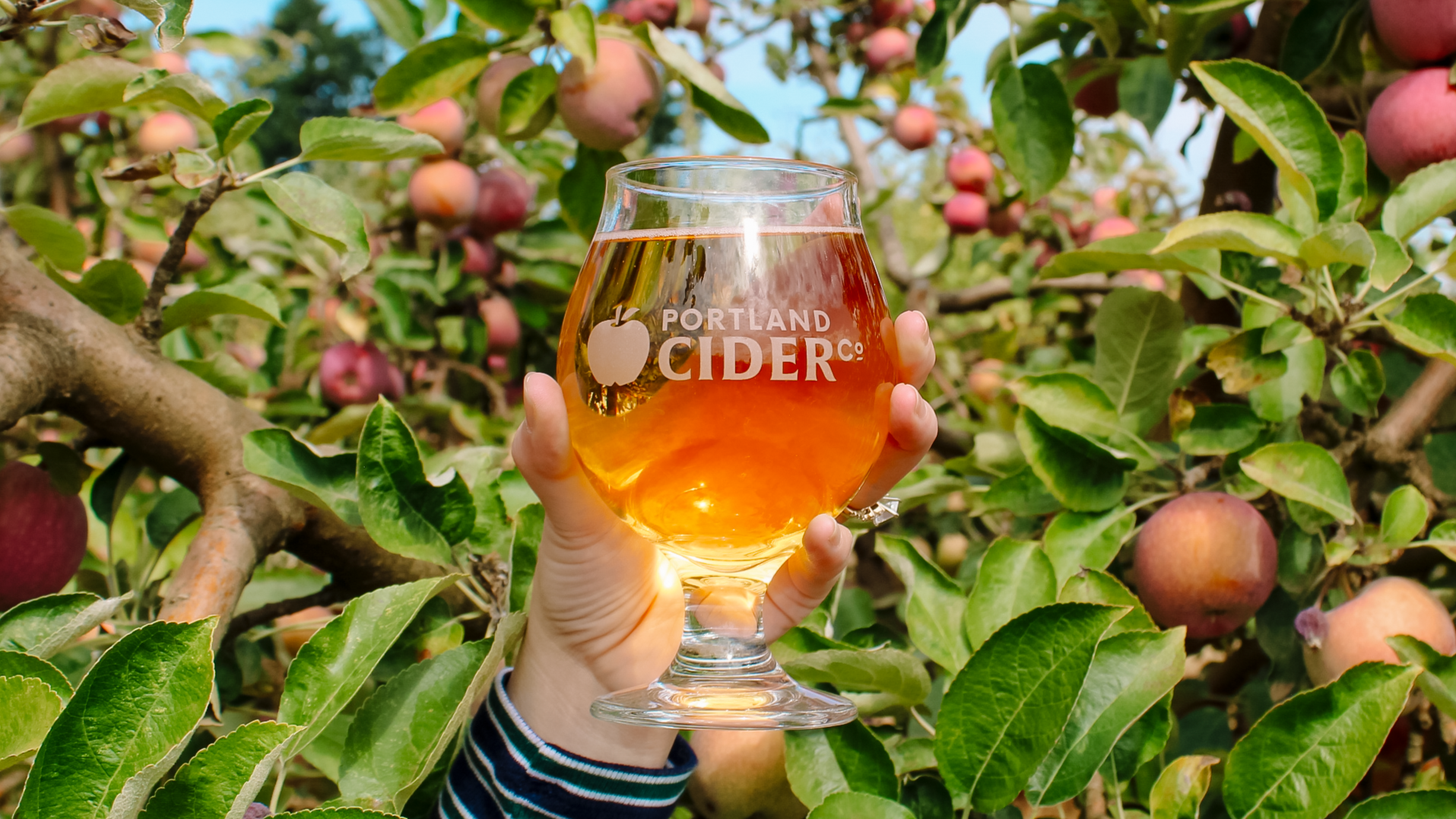
Every sip of hard apple cider starts the same way: with an apple. But not just any apple. The variety, the soil it grew in, the hands that picked it, all of it ends up in your glass. At Portland Cider Company, we've spent over a decade obsessing over that fact, because we believe the best hard apple cider is only as good as the fruit behind it.
So let's talk about apples. Specifically, the ones we use, where they come from, and why any of it matters to what ends up in your can.
Why Apple Variety Is Everything in Hard Cider
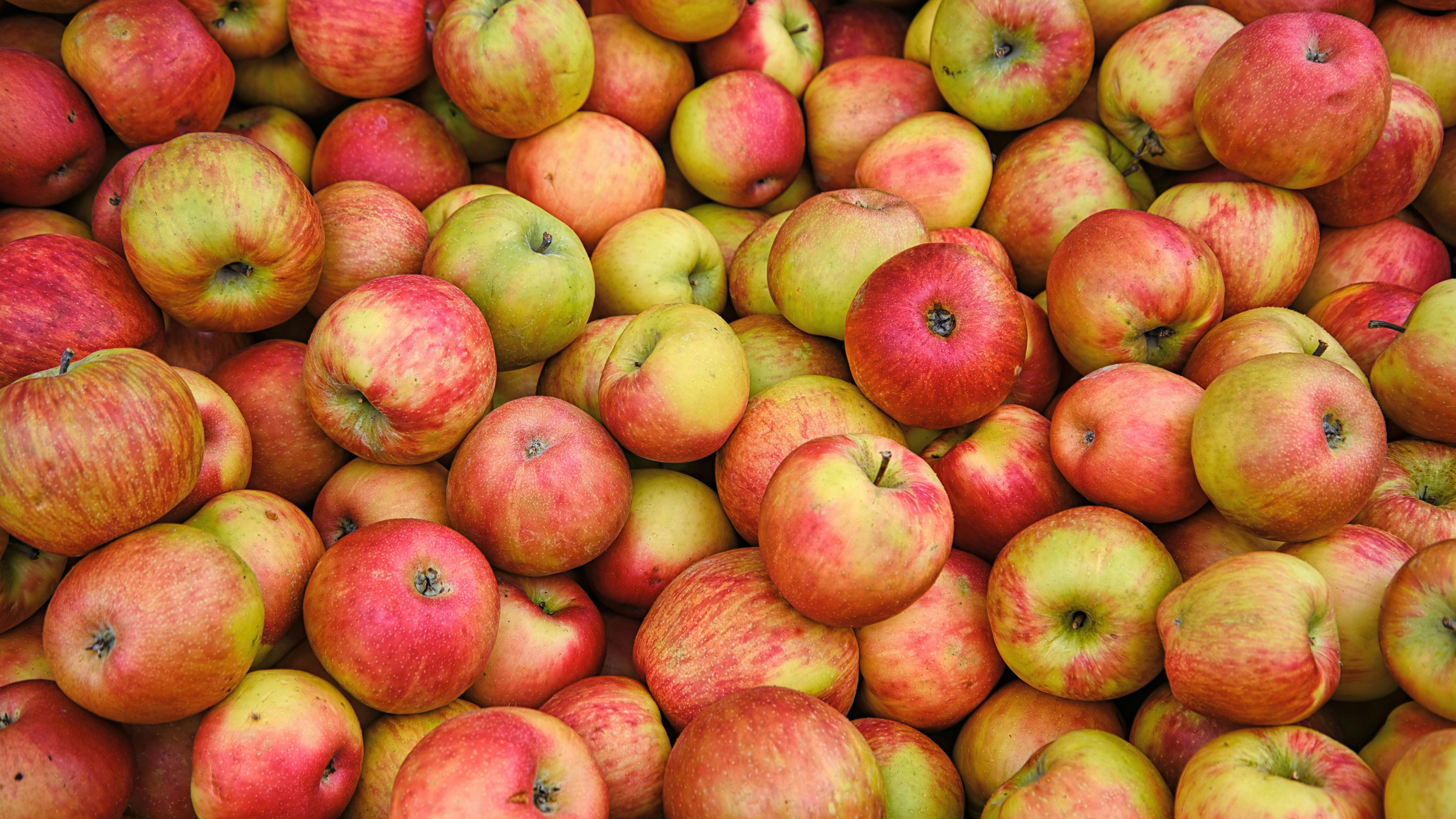
If you've ever bitten into a Granny Smith and then a Honeycrisp back to back, you already know that not all apples taste alike. That difference doesn't disappear when you ferment them. It gets amplified. Acidity, sugar content, tannin levels, and aroma compounds all carry through fermentation and directly shape the finished cider's flavor, dryness, and mouthfeel.
This is why cider apple varieties matter as much to a cidermaker as grape varieties matter to a winemaker. A high-acid apple like a Granny Smith brings brightness and tartness that helps a cider stay lively and clean on the palate. A sweeter apple like Honeycrisp contributes natural sugars that feed fermentation and add a softer, rounder finish. And tannic varieties, more common in traditional English cidermaking, provide the structure and grip that makes a cider feel full-bodied rather than thin.
The best hard apple ciders aren't made from one apple. They're made from the right blend of apples, chosen deliberately to hit a specific flavor target.
The Northwest Difference: Why We Source Locally
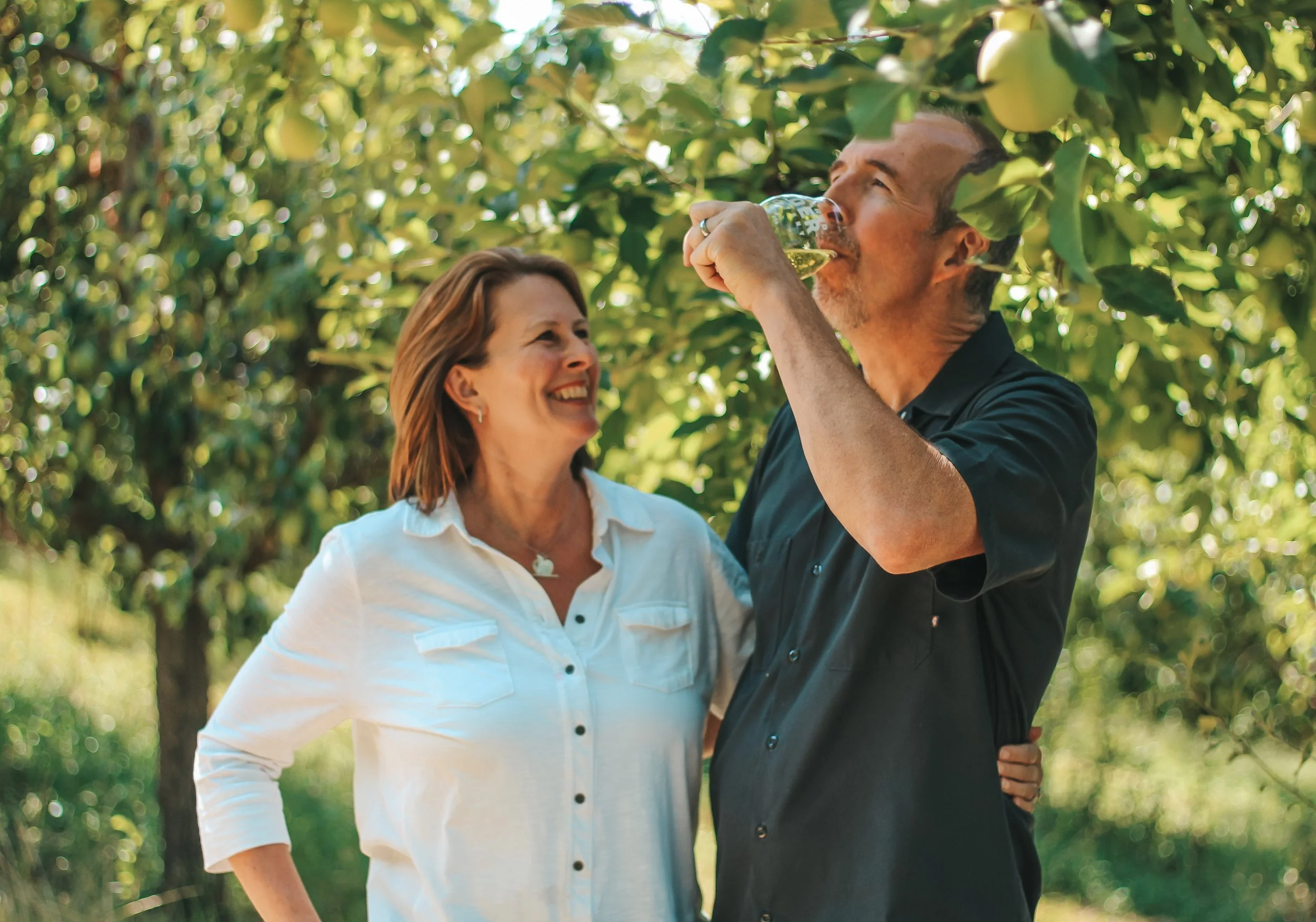
Portland Cider Company was built on a simple commitment: use the freshest Pacific Northwest apples, press them into 100% fresh apple juice, and let the fruit do the talking. No artificial flavors, no added sugars, no shortcuts.
That commitment isn't just a branding point. It's a quality decision. The Pacific Northwest is one of the premier apple-growing regions in the world. Washington State alone produces nearly 60% of all apples grown in the United States, and Oregon's Willamette Valley and Hood River Valley aren't far behind. The combination of volcanic soil, cold nights, and long dry summers creates apples with exceptional sugar-acid balance, which is exactly what you want as the foundation of a great hard apple cider.
Our apples are picked by local growers, pressed into fresh juice, and delivered directly to our cidery in Clackamas. By the time fermentation begins, we're working with juice that still tastes like fruit. Not concentrate, not reconstituted powder. That freshness is baked into every batch we make.
Meet the Apples in Your Glass
Different Portland Cider varieties call for different apple profiles. Here's a closer look at the cider apple varieties we lean on most and what each one brings to the blend.
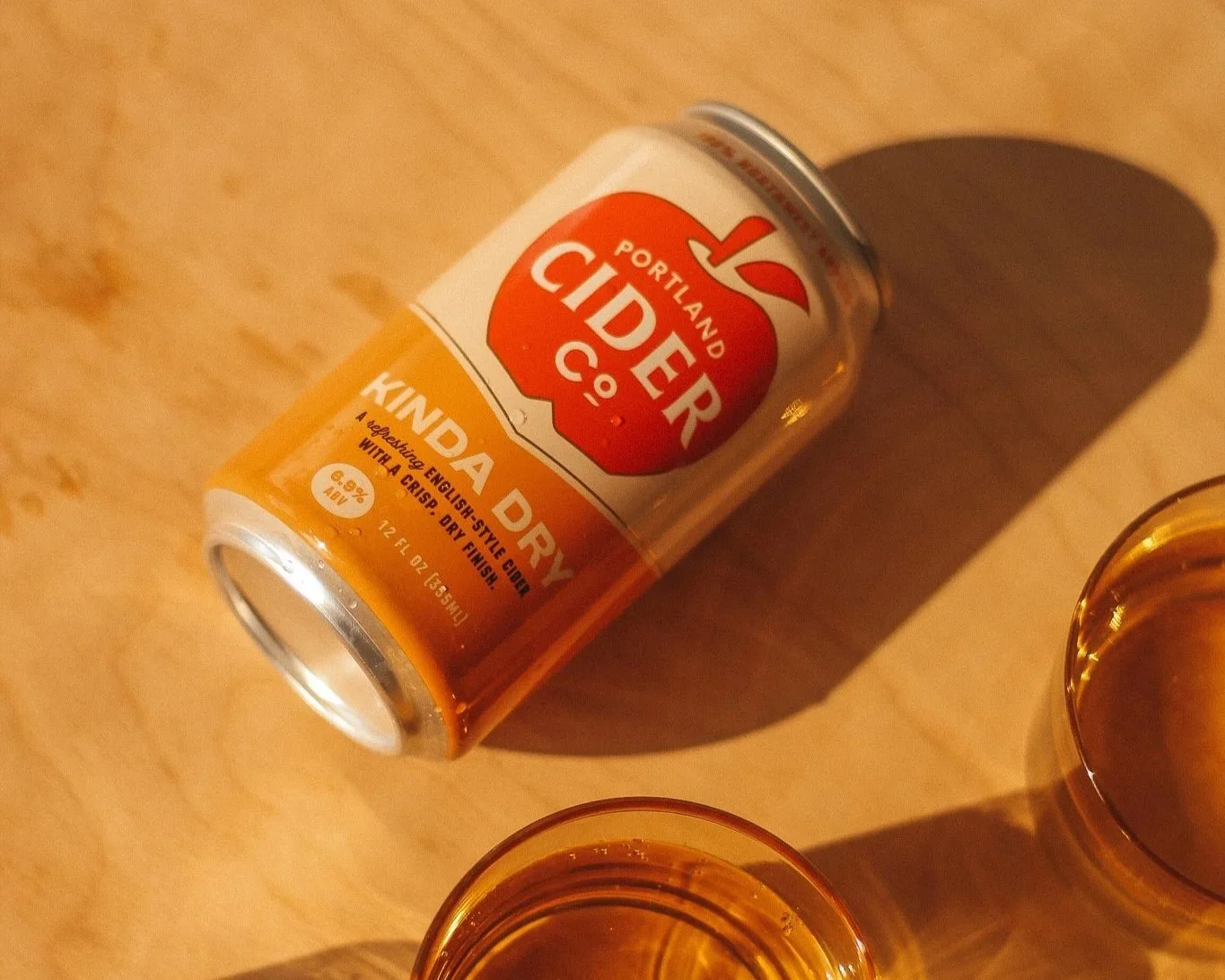
Gala is one of the most widely grown apples in the Northwest. It brings natural sweetness and a mild floral quality that adds approachability to a blend. It ferments cleanly and contributes a soft, round body. You'll taste its influence in our Kinda Dry, where it helps balance the cider's signature off-dry finish.
Honeycrisp is beloved for its explosive juiciness and crisp snap. It's high in both sugar and acid, making it a powerhouse ingredient for fermentation. It contributes a fresh, bright character and a clean finish. Also used in Kinda Dry, it's part of what gives the cider that lively, refreshing quality that pairs so well with savory food.
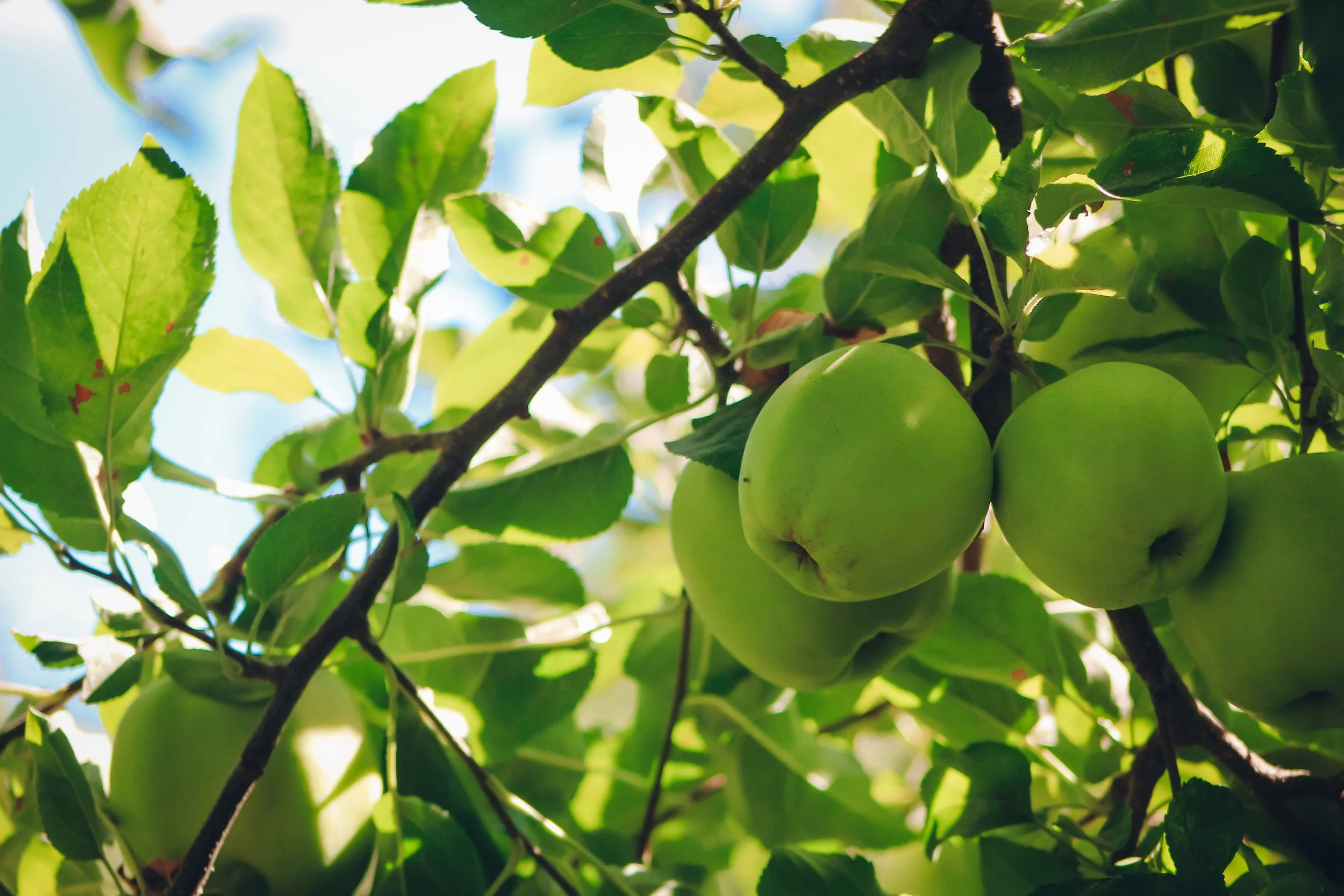
Granny Smith is the workhorse of acidic apples. Its sharp tartness is essential for keeping a cider fresh and preventing it from tasting flat or overly sweet. It acts as a structural backbone in many blends, ensuring the finished cider has lift and staying power on the palate. Its influence is especially noticeable in crisper, drier styles.
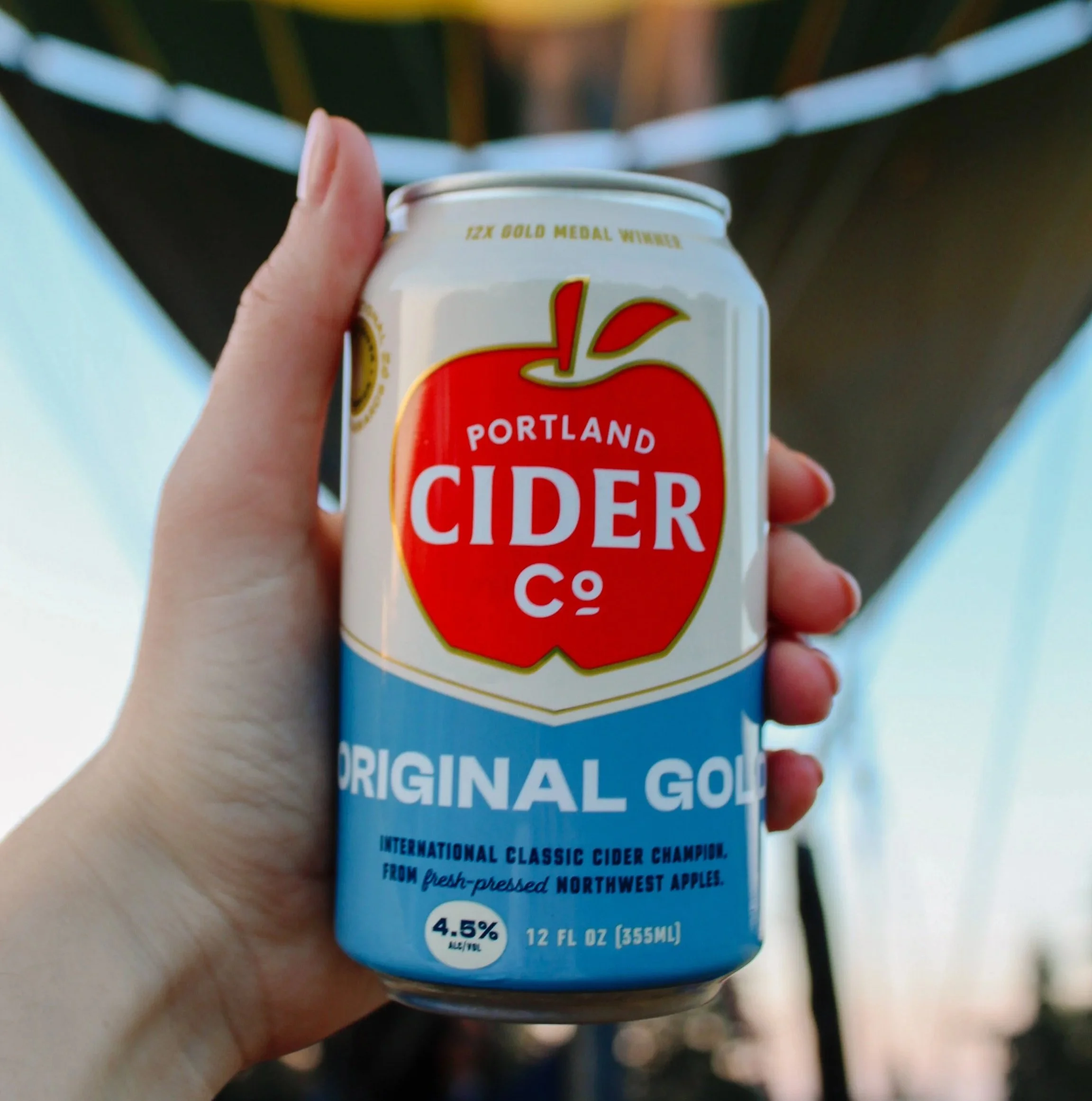
Jonagold is a cross between Jonathan and Golden Delicious. It's naturally sweet with a hint of tartness and a rich, full apple flavor. It's a blender's favorite because it contributes depth without dominating. Jonagold brings that unmistakable fresh apple quality you can actually taste in our Original Gold, the 2024 International Classic Cider Champion.
Golden Delicious is mild, sweet, and mellow. It contributes body and a honeyed quality to a blend, softens sharper apple varieties, and adds a warm, round sweetness that makes a cider feel generous rather than austere.
Together, these varieties work the way instruments work in a band. Each one has a role. None of them sounds complete alone. Blended together with intention, they create something greater than the sum of their parts.
From Juice to Can: How Hard Apple Cider Is Made
So what actually happens after those apples leave the orchard? Here's the short version of how hard apple cider is made at Portland Cider.
Step 1: Press. Local NW apples are pressed into 100% fresh apple juice. No concentrate. No added water. Just juice.
Step 2: Ferment. The fresh juice is pumped into our fermentation tanks, where we pitch white wine yeast. Yeast consumes the natural sugars in the juice and converts them to alcohol and CO₂. The result, after fermentation completes, is a beautiful bone-dry base cider.
Step 3: Perfect. Post-fermentation, the real craft begins. We add fresh fruit, fruit juices, or additional apple juice to dial in the flavor profile for each variety. For example, this is where Kinda Dry becomes off-dry and sessionable, where Original Gold becomes golden and juicy, and where Imperial Dry becomes the full-bodied, tannic showstopper it is.
Step 4: Package. After filtration, the cider is canned, kegged, or bottled and shipped out to Portland and beyond.
The whole process is designed around one goal: letting the apple shine. No shortcuts, no masks, no filler. Just fruit, fermentation, and craft.
What Makes a Hard Apple Cider "Good"?
We get this question a lot, especially from people who are new to cider. The honest answer is that it depends on what you're looking for. But there are a few markers of quality that hold true across styles.
Balance is the big one. A good hard apple cider should feel harmonious, with acidity, sweetness, and dryness in proportion to each other. Nothing should feel sharp or cloying.
Freshness matters more than most people realize. Cider made from fresh-pressed juice rather than concentrate has a vibrancy and clarity of flavor that's immediately apparent. It tastes alive.
Clarity of fruit is the hallmark of great cidermaking. You should be able to taste the apple, not a vague sweetness, but actual apple character. Our Original Gold is probably our clearest expression of this. It's been described as "biting into a fresh apple," which is exactly what we were going for.
Explore the Full Range
If reading about apple varieties has made you want to taste the difference for yourself, the best way to do it is with a flight. The Cidermaker's Flight is our hand-curated 12-pack that puts four of our best ciders side by side, a great way to train your palate and experience how different apple profiles and brewing approaches produce completely different results.
You can also come taste everything on draft at our Clackamas taproom, where our Cider-Tenders are always happy to walk you through what you're drinking and what's in it.
Or if you're ready to commit to your favorites, the Portland Cider Club delivers a freshly curated quarterly shipment right to your door, including early access to seasonal and small-batch releases that don't always make it to shelves. Free to join.
Use our Cider Finder to locate Portland Cider near you, and expect more from your hard apple cider.
Want to stay in the loop on new releases, seasonal ciders, and orchard stories? Sign up for our newsletter and we'll keep it worth your while.