English Cider: How England Perfected Hard Cider

Before hard cider was a craft-beer-aisle darling or a cooler-ready summer sipper, it was English. Centuries-of-farmhouse-tradition, pressed-in-a-barn, drink-it-at-the-pub English. And while cider has since traveled the world and picked up a thousand new accents, the version that started it all still drinks like nothing else.
At Portland Cider Company, this one's personal. Our story runs straight through Somerset, a West Country region famous among cidermakers as one of England's heartlands for the craft. So let's talk about English cider: what it actually is, why it tastes the way it does, and how a style perfected across the pond ended up shaping the ciders we make in the Pacific Northwest today.
What Is English Cider? A Dry Cider Style Built to Last
English cider is a traditional dry cider made from tannic, cider-specific apples and built around structure rather than sweetness. Where a lot of modern cider leans bright, fruity, and easy, English cider goes the other direction: fuller, drier, earthier, and more complex, with a grippy tannic backbone that makes it feel closer to a glass of red wine than a fizzy fruit drink.
The short version: it's dry, it's full-bodied, and it tastes unmistakably of apples that were grown to be fermented, not eaten. That single difference, the apples, is where the whole story begins.
It Starts With Different Cider Apples

Most of the apples you know by name, Gala, Honeycrisp, Granny Smith, are dessert or culinary apples. Great for snacking, great for a bright modern cider. But traditional English cider is built on a completely different category of fruit: cider apples, grown specifically for the tank.
These varieties fall into two camps that you'll hear cidermakers talk about constantly:
Bittersweet apples are high in tannin and low in acid. They're the source of English cider's signature grip and body, the same way tannins give red wine its structure. The Dabinett apple and the Yarlington Mill apple are the classic examples.
Bittersharp apples bring both tannin and bracing acidity. The Kingston Black apple is the legend here, one of the few varieties considered good enough to stand entirely on its own as a single-varietal cider.
Bite into one of these raw and you'd spit it right back out, they're mouth-puckeringly astringent. But that astringency is the whole point. Fermented and blended with intention, tannic cider apples create depth, length, and a savory complexity that dessert apples simply can't reach on their own.
What Does English Dry Cider Taste Like?
If you've only ever had sweet or fruited cider, your first traditional English pour can be a happy shock. Expect a dry cider that's full-bodied and layered, with firm tannins you feel as a gentle astringency along your gums, the way a bold red wine grips.
The flavor leans away from candy-apple sweetness and toward something more grown-up: baked apple, oak, leather, a little earthiness, sometimes a faintly funky, "farmhouse" note that comes from wild fermentation and traditional aging. The finish is long and dry rather than sugary and short. It's a sipping cider, one that rewards slowing down.
And no, dry does not mean flavorless. Pull the sugar back and the apple's real character, its tannin, its acid, its aromatics, has more room to show off, not less. That's exactly why English cider drinkers are so loyal to it.
English Cider vs. Modern Craft Cider: What's the Difference?
Both are made from fermented apples, but they're chasing different things.
English cider is built on tannic cider apples, ferments bone dry, and prizes structure, earthiness, and a long finish. It's the wine-lover's cider. Traditionally it's still or only lightly sparkling, and often aged in wood.
Modern craft cider more often starts from dessert and culinary apples, comes across brighter and fruitier, and is frequently sparkling. Many are fermented dry and then balanced back with fresh fruit or juice, which makes room for the fruited, sessionable styles that define the category today.
Neither is "better," they're different tools for different moods. And the best part of drinking cider right now is that you don't have to choose. A great lineup gives you both the tradition and the reinvention, and at Portland Cider we do a little bit of both.

A Little History: How England Perfected Hard Cider
Cider has been made in England for nearly a thousand years, and the West Country, Somerset, Herefordshire, Devon, Gloucestershire, is its beating heart. This is orchard country, where cider apple varieties were bred and named over generations and where farmhouse cidermaking became a way of life.
Out of that tradition came scrumpy: the rough, still, dry, unfiltered farmhouse cider poured straight from the barrel in West Country pubs. It's cloudy, it's strong, it's utterly no-frills, and for a lot of people it's the purest expression of what cider was always meant to be. England didn't just make cider. England spent centuries refining it into a genuine craft, complete with its own apples, its own vocabulary, and its own pub culture built around the pour.
Our English Roots (Yes, Really)

Here's where it gets personal for us. Portland Cider Company was co-founded by Jeff and Lynda Parrish, and Lynda grew up in Somerset. When Jeff first tasted proper English scrumpy, he was hooked. A 2008 trip to Lynda's Somerset hometown sealed it. Back home in Oregon, Jeff started making small experimental batches in a guest-room closet, an early attempt to bring a little of that West Country magic to the Pacific Northwest, until the batches outgrew the closet and the hobby became a cidery.
So when we make an English-style cider, we're not borrowing a trend. We're paying tribute to family, to Somerset, and to the tradition that started this whole thing. We just happen to do it with world-class Pacific Northwest apples.
Where to Start: English-Style Ciders to Try
If your palate has lived mostly in sweet or fruited territory, easing into the English side is half the fun. Here's where we'd point you.
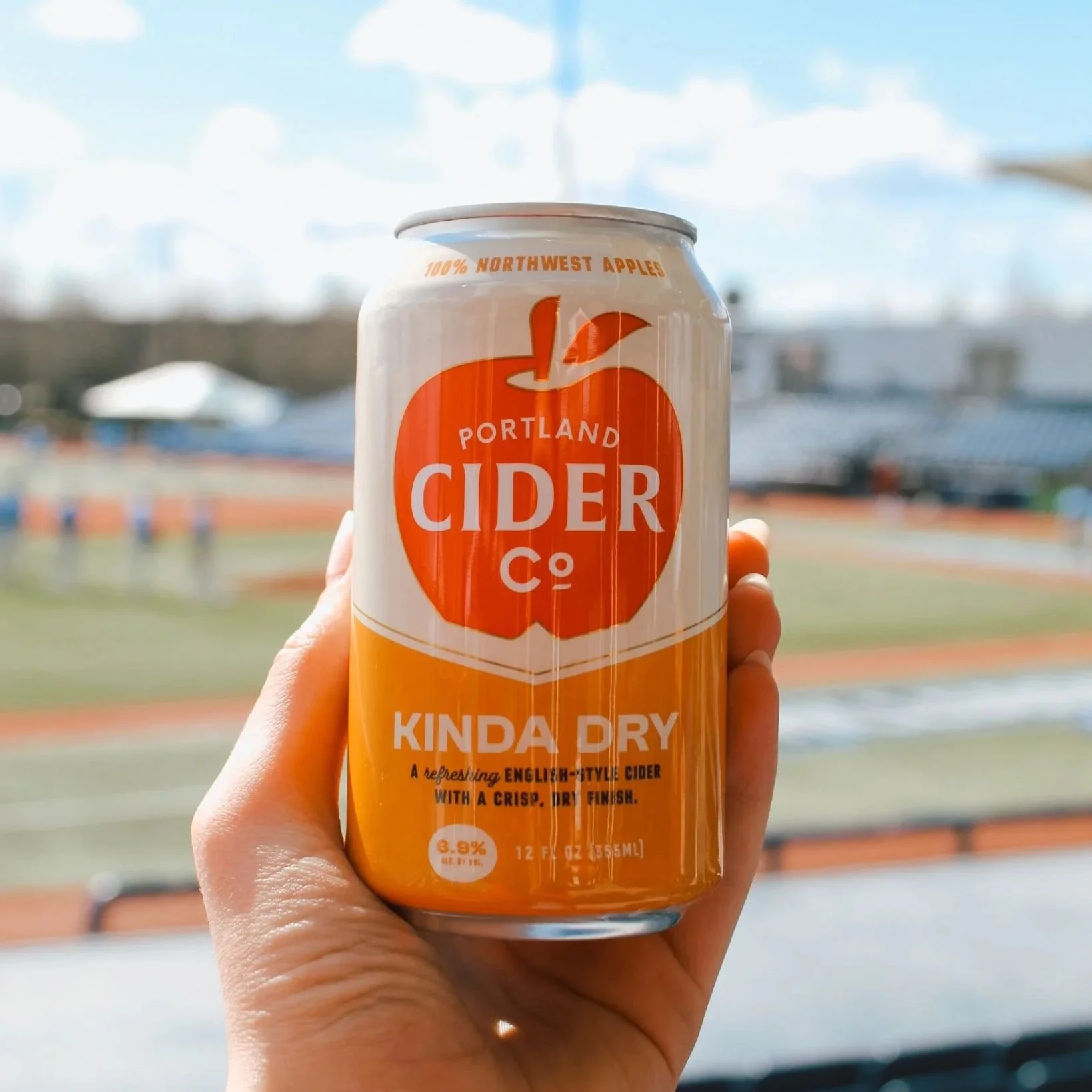
Kinda Dry is your on-ramp. It's an English-style off-dry cider, dry enough to show that traditional structure and balance, but approachable enough that it never feels austere. If you want to understand what "English-style" means in one pour, start here.
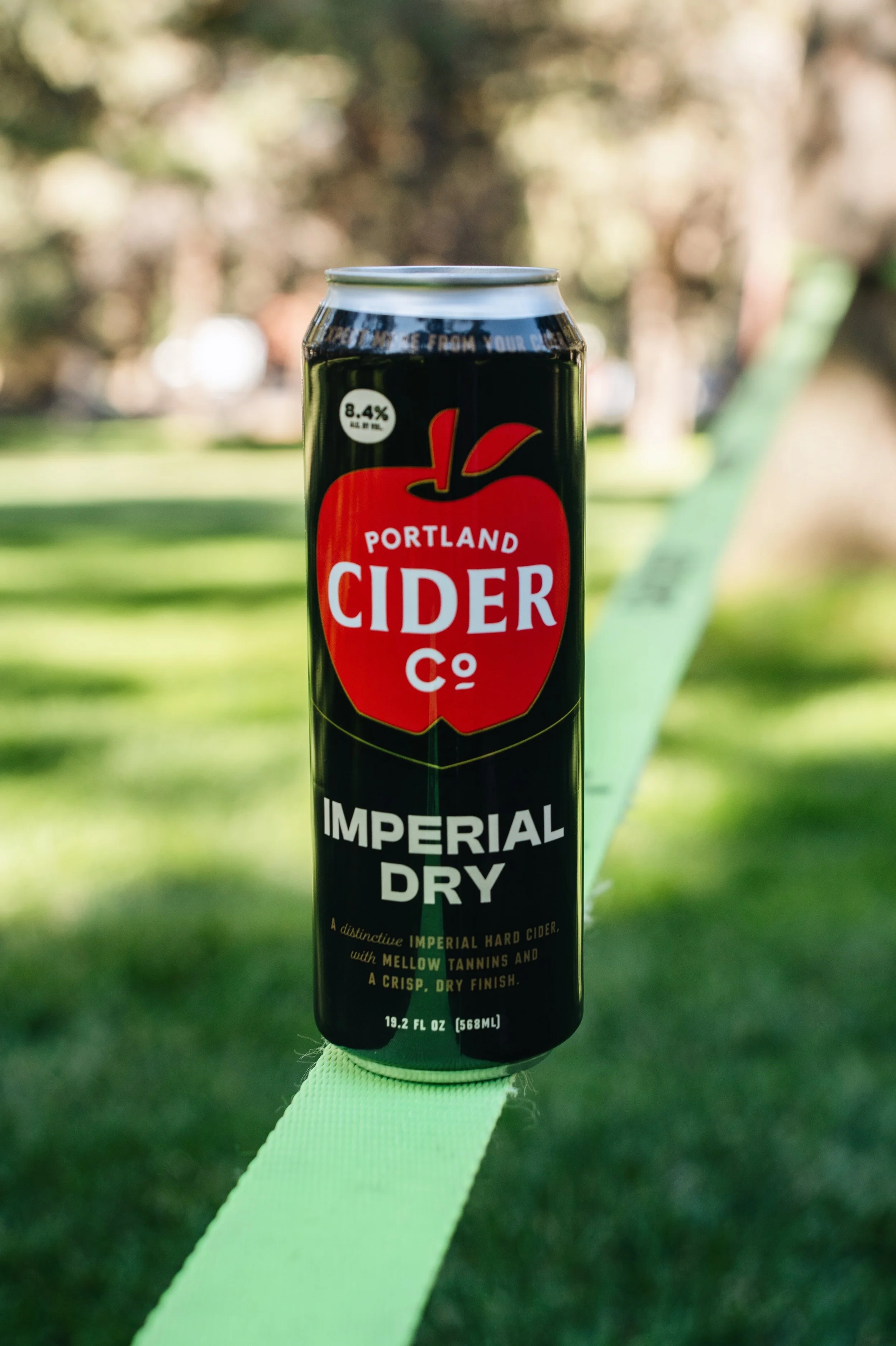
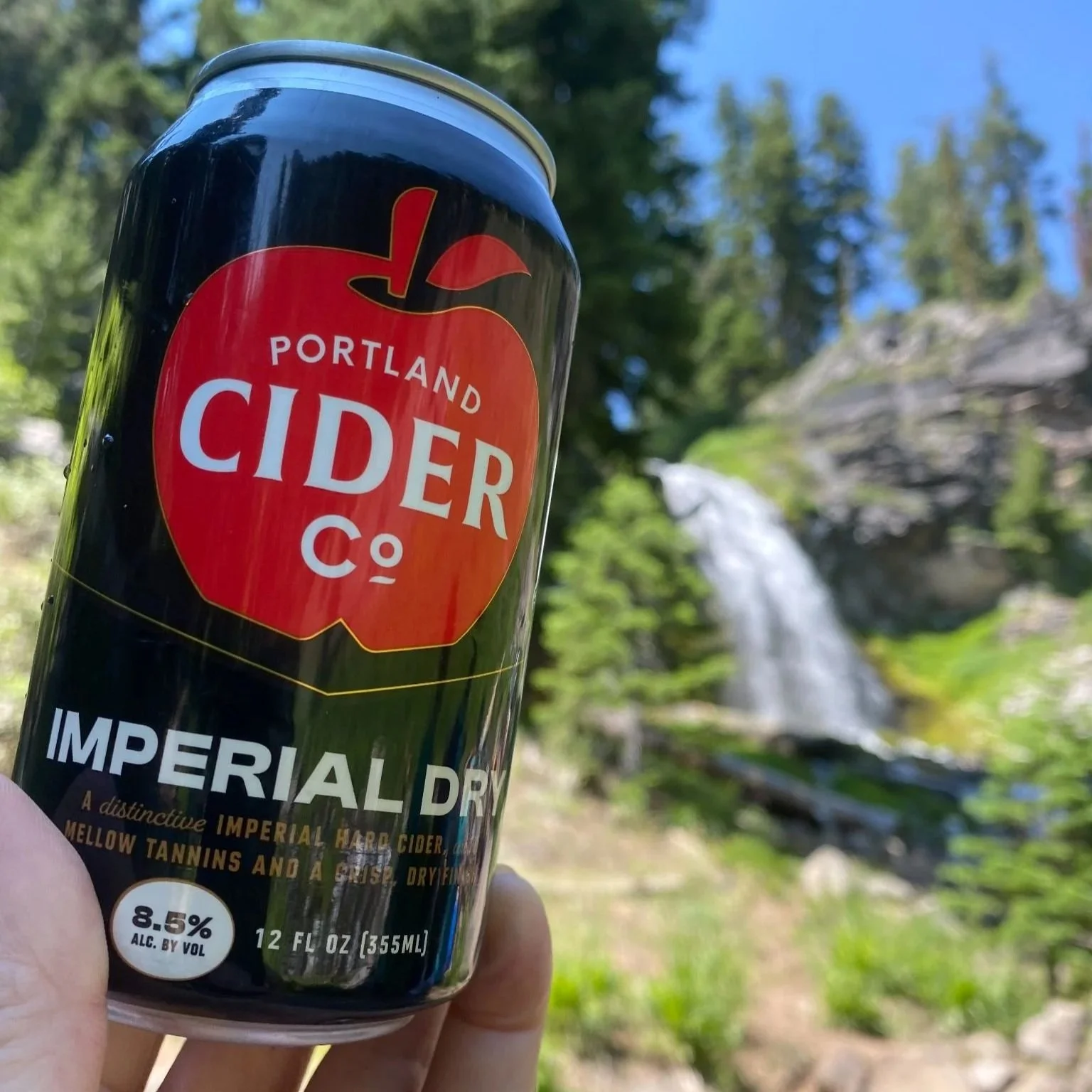
Imperial Dry is Kinda Dry's bigger, bolder sibling, a traditional English style taken full-bodied and tannic. This is the showstopper for anyone who already loves a dry, structured pour and wants the real, grippy, wine-adjacent experience.
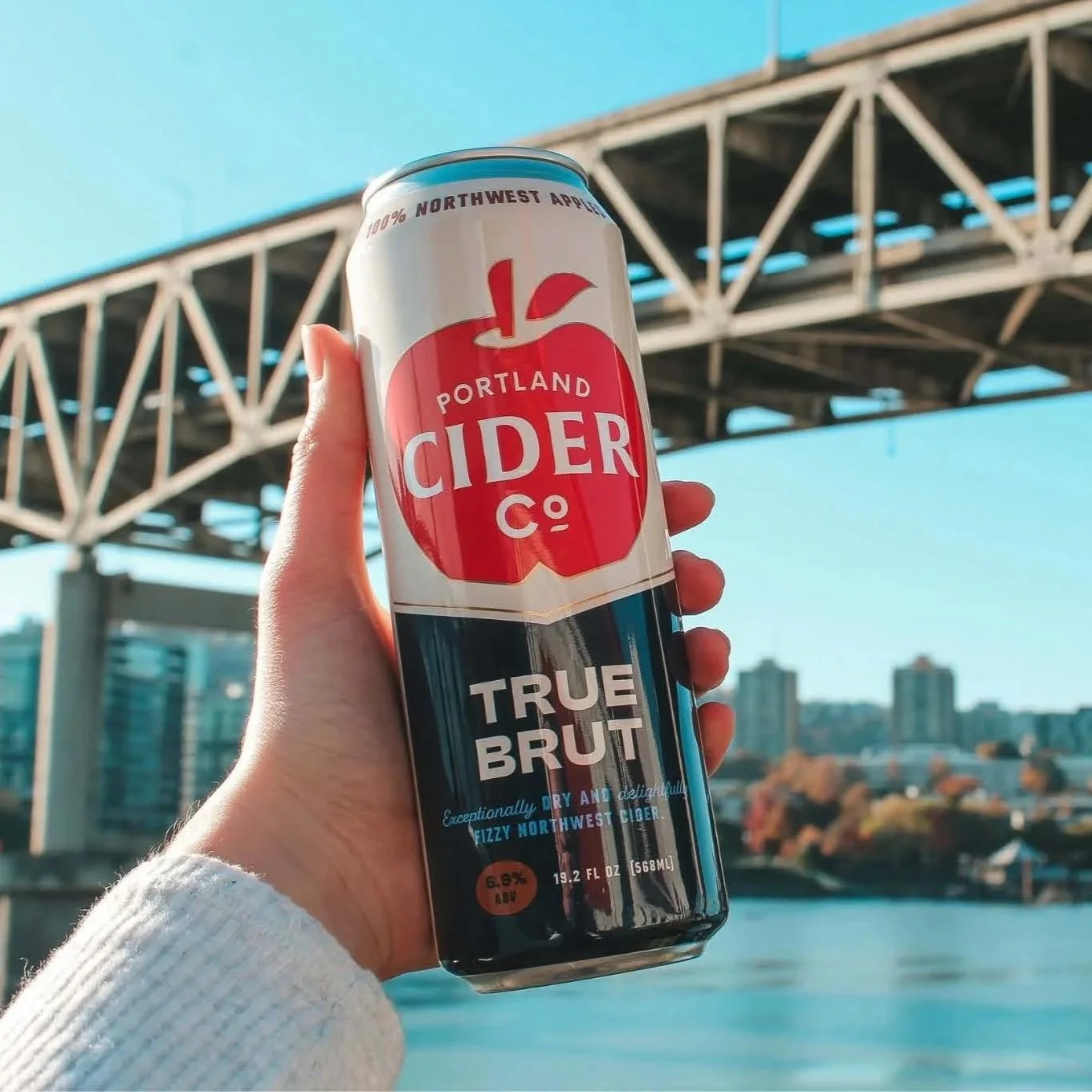
True Brut rounds things out from the other end of the dry spectrum. Fermented with champagne yeast all the way to zero residual sugar, it's crisp, sparkling, and bone dry, proof that "dry" comes in more than one style.
Taste them side by side and you'll feel the through-line: apple-forward, balanced, and confidently dry, the way cider's been done in the West Country for centuries.
Raise a Glass to the Original
English cider is where hard cider began, and it's still one of the most rewarding pours you can put in front of your palate, dry, structured, complex, and built to be savored. It's also, in a real sense, where we began.
If you want fresh releases delivered straight to your door, the Portland Cider Core Society sends a curated quarterly shipment with early access to seasonal and small-batch ciders. It's free to join, with quarterly boxes starting around $45 plus shipping, and it currently ships to most of the US.
Or use our Cider Finder to locate Portland Cider near you, and expect more from your next dry pour.
Want to stay in the loop on new releases, seasonal ciders, and orchard stories? Sign up for our newsletter and we'll keep it worth your while.