
How Long Does Hard Cider Last? A Straight Answer From the People Who Make It

You found a can in the back of the fridge. Or the garage. Or behind a case of sparkling water left over from a party you are fairly sure happened two summers ago. There is a date stamped on the bottom that means something, probably, and now you are standing in the kitchen doing math.
Good news: hard cider is one of the more forgiving things you own. It is alcoholic and it is acidic, which makes it a genuinely unpleasant place for anything that could make you sick. So how long hard cider lasts is not really a safety question. It is a flavor question. The real issue is whether that can still taste like the cider we put in it.
How Long Does Hard Cider Last?
Unopened and kept cold, canned hard cider drinks best within about 12 months of the date it was packaged. It stays safe well past that. It just stops tasting the way we intended. So when people ask how long is hard cider good for, the honest answer is that there are two clocks running: a safety clock that basically never runs out, and a flavor clock that runs out in about a year.
The number moves quite a bit depending on where the can has been sitting:
Unopened, refrigerated. A year at its best, and perfectly drinkable beyond that. Cold storage is the single biggest thing you can do for cider. Bottled ciders can last years as it’s the aluminum lining that breaks down before the cider itself degrades.
Unopened, cool dark pantry (roughly 55–70°F). Six to nine months at its best. Still fine after, just less flavorful and more apple character starts to take lead in fruited ciders.
Unopened, warm garage or car trunk. Weeks, not months, before you notice. Heat is what ages cider fastest, and a summer garage in Portland is not a cellar.
Opened. Same day. See the section below, because this is where the clock really speeds up.
If you want to know where a specific can sits on that timeline, look for the date code. Most canned cider carries one stamped on the bottom or along the base of the can, and it is the fastest way to tell a can packaged this spring from one that has been riding around in the back of a cooler since last year.
Does Hard Cider Go Bad or Expire?
Not the way milk goes bad. Hard cider does not become unsafe, it becomes disappointing. And no, hard cider does not expire in the food-safety sense of the word. There is no date past which a sealed can becomes dangerous.
Two things are protecting: The first is alcohol, which most spoilage organisms cannot tolerate. The second is acidity: cider sits at a pH low enough that the bacteria you would actually worry about have nowhere to get comfortable. That combination is why cider has been a safe thing to keep in a cellar for a few hundred years, long before anyone had a refrigerator.
What does happen is oxidation. Over time, the small amount of oxygen sealed into the package works on the cider, and the fresh apple character that took us a whole harvest to get into the can starts to flatten out. Fruit aroma fades first. Then the cider tastes rounder, duller, and a little sherry- or vinegar-like. Nothing about it will hurt you. It simply is not the drink anymore.
The one exception is a cider that has been open and exposed to air for a long stretch. Acetobacter, the bacteria that turns alcohol into acetic acid, needs oxygen to work. Give it enough air and enough time and it will turn your cider into vinegar. Which is a fine thing to have in a kitchen and a bad thing to have in a pint glass.
Does Hard Cider Need to Be Refrigerated?
No, not for safety. Yes, if you want it to taste right a year from now. Do ciders need to be refrigerated the way milk does? No. Should they be, if you have the room? Absolutely.
Every reaction that degrades cider runs faster when it is warm. A can sitting at 38°F ages dramatically slower than the identical can sitting at 75°F. You do not need to dedicate a fridge shelf to your entire stash, but cider you plan to keep for a while genuinely does better cold.
If refrigeration is not an option, the rule is cold, dark, and steady — and steady matters more than people expect. A closet that holds 62°F year-round will treat cider better than a garage that swings from 40°F in February to 95°F in August. Repeated expansion and contraction is hard on the seal, and every warm stretch is another push toward oxidation. The one cider that genuinely has to stay cold is anything unpasteurized and freshly filled, like a growler off a tap. That one is not shelf-stable and should never leave the fridge so drink up!
What Actually Makes Hard Cider Go Downhill?
Four factors, in roughly this order of damage:
Heat. The big one. Warmth accelerates oxidation and drives off the delicate aromatic compounds that make a cider smell like apples instead of like generic sweetness. A hot car trunk can do more damage in an afternoon than a cold fridge does in six months.
Light. This is where cans quietly win. Aluminum blocks 100% of light, which is one of the reasons most of our lineup lives in cans. Clear and green glass are the vulnerable ones, and if you are storing bottles, keep them in the dark.
Oxygen. A sealed can has very little of it, which is why unopened cider holds up so well. The moment you open it, that changes completely, not to mention how easily carbonation can dissipate over the first few hours.
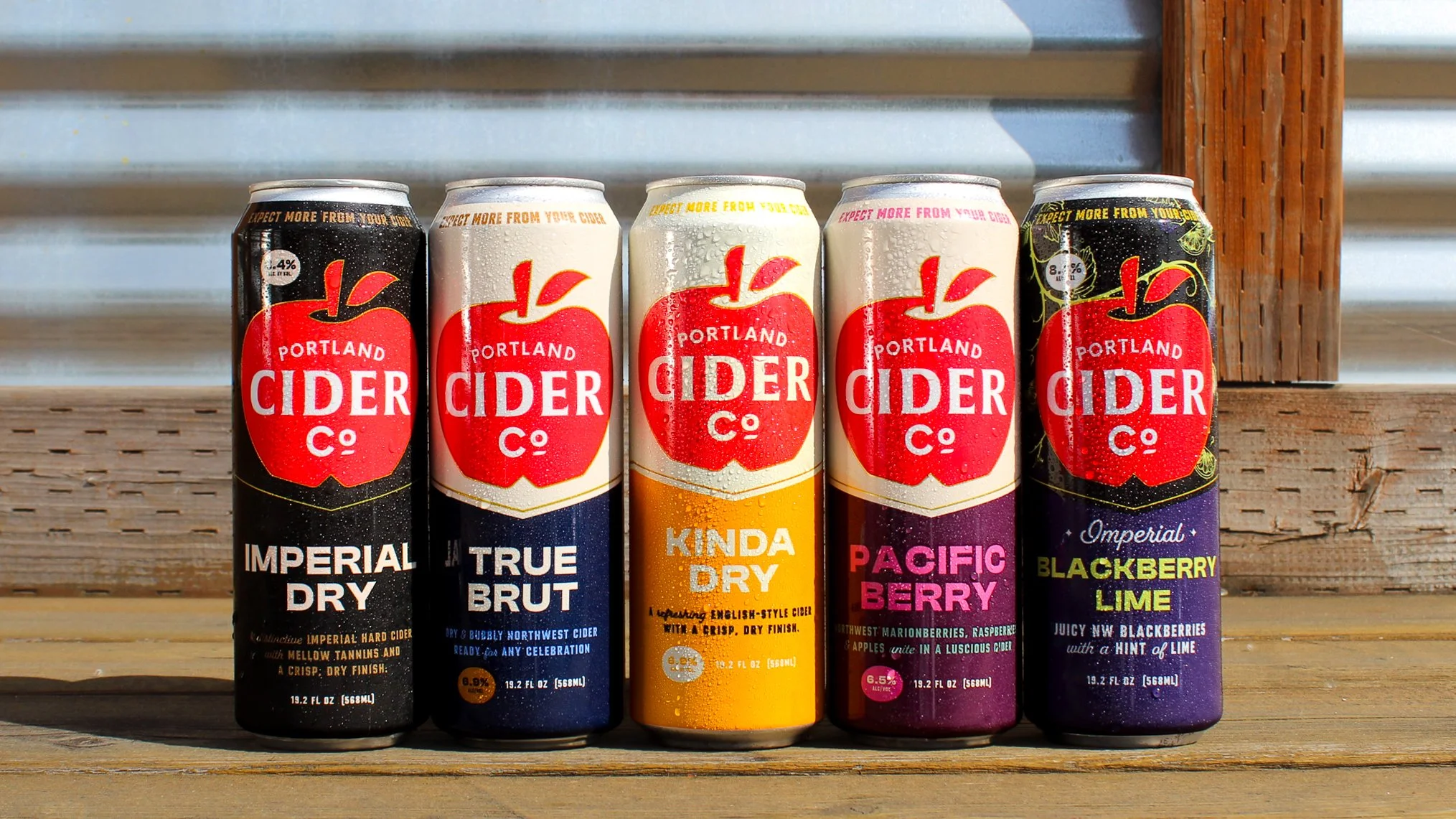
Time. Even in perfect conditions, aromatics fade. This hits different styles differently. A dry cider like our True Brut is built on structure and acidity, and structure ages gracefully. A fruited cider like Imperial Blackberry Lime is built on fresh fruit character, and fresh fruit character is exactly the thing that fades first. If you have a fruited or seasonal cider you have been saving for a special occasion, the special occasion is now.
(If you are not sure where your cider sits on the dry-to-fruited spectrum, we broke down the whole sweetness scale here.)
How Long Does Hard Cider Last After Opening?
Hours, not days. Once a cider is open, you are on a much shorter clock than you were an hour ago.
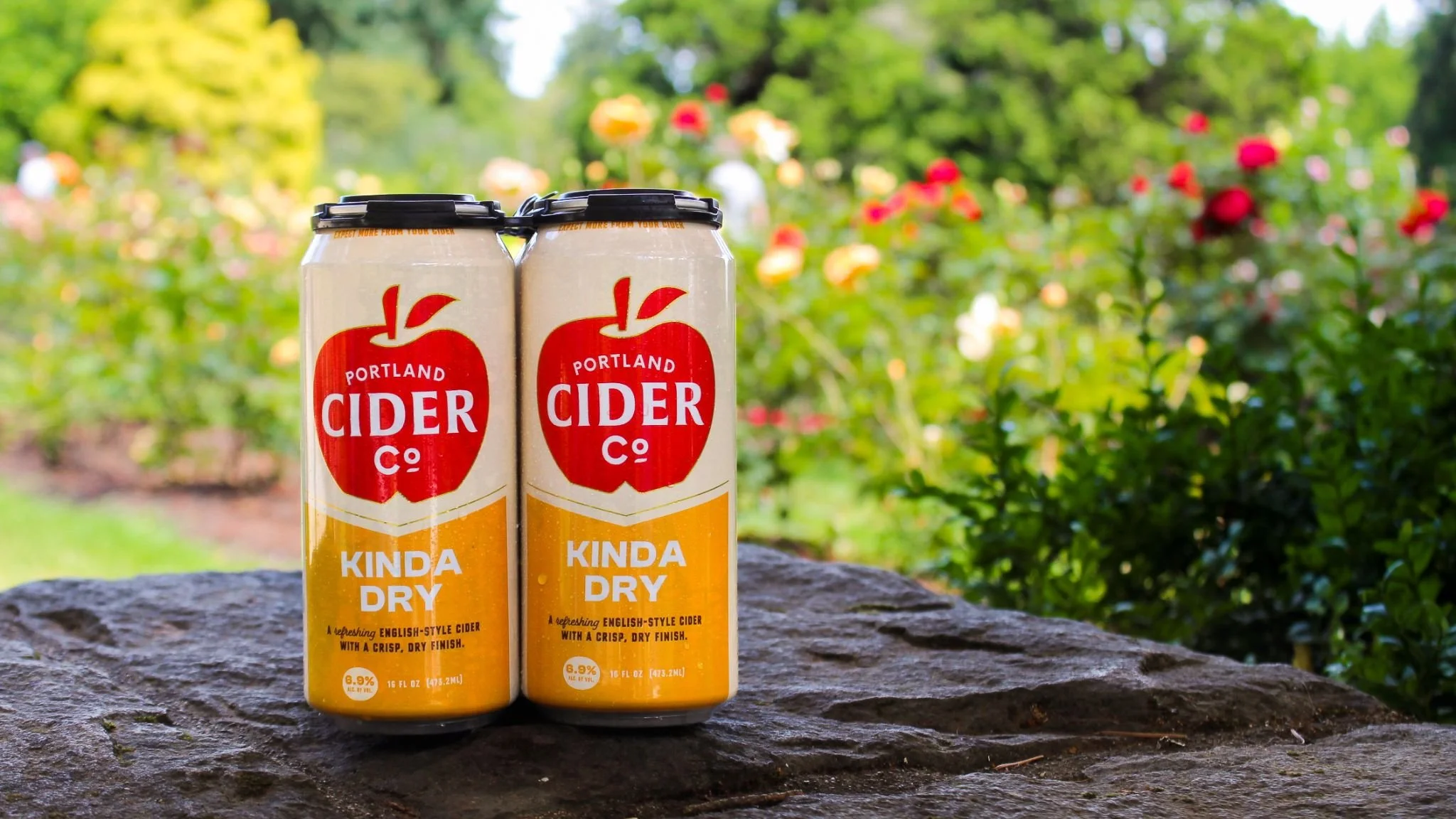
Carbonation is doing a lot of work in a cider. It carries aroma to your nose, it keeps the palate lively, and it is the first thing to leave once the seal is broken. A can cannot be resealed in any meaningful way, so an open can is a today problem. Drink it, or pour it into something.
A bottle you can re-cap with a proper stopper will give you a day or two in the fridge, and it will be noticeably flatter every hour of it. A growler or crowler is good for about 24 to 36 hours after it is filled, and less once you have opened it. This is not a safety line, to be clear, flat cider will not hurt you. It is just sad.
Flat cider does have a second life, though. It braises beautifully, it makes a sharp vinaigrette, and it is the base of the best BBQ sauce. Cooking does not care about carbonation.
How Can You Tell If Hard Cider Has Gone Bad?
Your nose will get there before your tongue does. Pour it, smell it, and look for these:
It smells like vinegar or nail polish remover. That is acetic acid, and the cider is on its way to becoming vinegar.
It smells like wet cardboard, sherry, or a bruised apple. Classic oxidation. Not unsafe, just tired.
It is flat. No lift, no prickle, no life on the palate.
The color has gone deep gold or brown. Cider darkens as it oxidizes.
It tastes like almost nothing. The most common ending is not a dramatic off-flavor, it is a cider that has simply gone quiet.
One genuine stop sign: if a can is bulging, leaking, or hisses violently and keeps hissing when you open it, do not drink it. That is rare in commercial cider, and it is the one case where the answer is the recycling bin rather than a shrug.
Can You Freeze Hard Cider?
You can, but not in its container, and not if you want carbonation afterward.

Cider freezes somewhere around 25 to 28°F depending on alcohol content, and liquid expands as it freezes. A can will split. A bottle will crack. Even if the packaging survives, freezing drives the dissolved CO₂ out of solution permanently, so what you thaw is flat cider with a slightly odd texture.
Where freezing does work is on purpose. Cider ice cubes are excellent because they chill a drink without watering it down. And a frozen cider slushie is a completely legitimate use of an August afternoon.
How Long Is Apple Cider Good For? (The Non-Alcoholic Cousin)
One to two weeks unopened in the fridge, and about 7 to 10 days once you open it. Fresh apple cider is a different product on a completely different clock.
The word “cider” is doing double duty here, which is where a lot of the confusion comes from. Fresh apple cider — the cloudy, unfermented, non-alcoholic kind you buy by the jug in the fall — is fresh-pressed apple juice and nothing else. So does apple cider need to be refrigerated? Yes, always, before and after opening. There is no alcohol in it to protect the juice and most fresh-pressed juices aren’t pasteurized. The shelf life of fresh apple cider is measured in days, not months: one to two weeks unopened, 7 to 10 days once opened. Frozen, it will hold its flavor for 8 to 12 months. And you know, any excess makes for great homemade hard cider…
Unpasteurized fresh cider has a habit worth knowing about: left alone long enough, wild yeast will find it and it will start to ferment on its own. First it goes faintly fizzy, then faintly boozy, then it turns to vinegar. Which is, more or less, exactly how humans figured out hard cider in the first place. We just do it on purpose now, with chosen apples and white wine yeast and a fair amount of equipment.
How to Store Hard Cider So It Lasts
Six rules, and the first one does most of the work.
Cold, dark, and steady. A fridge is best. A cool interior closet is a fine second. A garage, a car, or a windowsill is not storage.
Store cans and bottles upright. Cider is not wine and there is no cork to keep wet. Standing them up minimizes contact between the liquid and the seal.
Choose cans or bottles for anything you are keeping for a while. Aluminum blocks all light, they seal tightly, and they do not care what is happening in the room. Bottles have longer shelf lives.
Buy where the cider moves. A shop with high turnover is selling you cider that was packaged recently. A dusty shelf is selling you someone else's storage decisions.
Check the date code before you buy. Especially on seasonals, which can linger on shelves long after their season ends.
Do not stockpile fruited or small-batch releases. Those are built to be consumed while fresh. Save the aging instincts for something with structure.
Hard Cider Shelf Life FAQ
The short versions, for the questions that come up most.
Does hard cider expire? Not in the safety sense. A sealed can does not become dangerous. It loses fruit character and carbonation, which is a quality problem rather than an expiration.
How long does hard cider last unopened? About 12 months at its best when refrigerated, 6 to 9 months in a cool pantry, and considerably less anywhere warm.
How long does cider last in the fridge? Unopened, roughly a year. Opened, hours. Refrigeration does not reset the clock, it just slows it down.
How long is cider good for after opening? Drink an opened can the same day. A re-capped bottle will give you a day or two and it will be flatter every hour.
Does cider go bad if it warms up and then gets cold again? One cycle will not ruin it. Repeated swings are what do the damage, which is why a garage is the worst place to keep cider.
Can hard cider freeze? Yes, at around 25 to 28°F, and it will split the can. Freeze it as ice cubes or a slushie instead.
Quick Hard Cider Shelf Life Cheat Sheet

Unopened, refrigerated → best within 12 months, safe well beyond
Unopened, cool dark pantry (55–70°F) → best within 6–9 months
Unopened, warm garage or trunk → taste it before you serve it to anyone
Opened can → drink it today
Opened bottle, re-capped and refrigerated → 1–2 days, flatter by the hour
Growler or crowler → 24–36 hours
Fresh non-alcoholic apple cider, unopened → 1–2 weeks refrigerated
Fresh non-alcoholic apple cider, opened → 7–10 days refrigerated
Any cider frozen in its own container → don't
Screenshot that one. It will settle an argument at some point.
If the can at the back of your fridge turned out to be a science experiment, we can help you replace it. Use our Cider Finder to locate Portland Cider near you. And if you would rather have fresh releases delivered straight to your door (which is, admittedly, the most reliable way to guarantee the cider in your fridge is young) The Core Society sends a curated quarterly shipment with early access to seasonal and small-batch ciders. It's free to join and ships to over 38 states across the US!
Either way, expect more from the next can you open.
Want to stay in the loop on new releases, seasonal ciders, and orchard stories? Sign up for our newsletter and we'll keep it worth your while.