Sweet vs Dry Cider: What's the Difference?

Walk up to any cider tap list, and you'll see the same two words pop up over and over: dry and sweet. They're the most important descriptors on the entire menu, and they're also the most misunderstood. A lot of first-time cider drinkers pick whatever sounds good, end up with something that doesn't match what they expected, and walk away thinking cider isn't for them.
Here's the thing: sweet and dry aren't really opposites. They're the two ends of a spectrum, with a lot of really good cider living in between. And once you understand what the words actually mean, ordering becomes easy.
Here's the breakdown, from a cidery that's spent over a decade making both.
What Is Dry Cider?
Dry cider is hard cider with little to no residual sugar left after fermentation. It's the cider equivalent of a dry wine: crisp, clean, and bright on the palate, with the apple's natural acidity and fruit character driving the flavor instead of sweetness.
It comes down to what the yeast does. When fresh apple juice goes into a fermentation tank, yeast eats the natural sugars in the juice and converts them into alcohol and CO₂. If the yeast eats almost all of those sugars, what you're left with is a dry cider. The fruit is still very much there, but it shows up as aroma and acidity instead of sweetness.
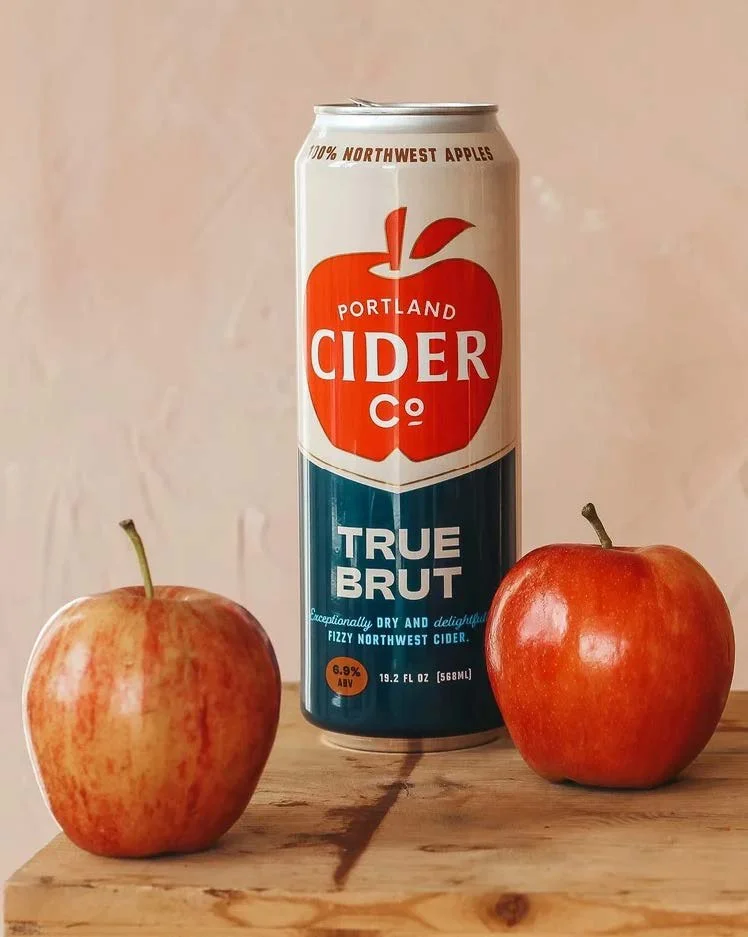
Our True Brut is the clearest example. It's fermented with champagne yeast all the way down to zero residual sugar, with higher carbonation, a stone-fruit nose, and a full-bodied finish. It's bone dry without being thin, which is exactly what a well-made dry cider should do.
What Is Sweet Cider?
Sweet cider is hard cider with more residual sugar, which gives it a fuller, juicier, more dessert-like mouthfeel. You'll taste the fruit upfront, the finish tends to be rounder and softer, and the overall experience leans closer to a fruit-forward cocktail than a glass of wine.
There are two ways cidermakers get there. The first is to stop fermentation early, before the yeast has eaten all the sugar in the juice. The second is to ferment the cider all the way to dry, and then add fresh fruit, fruit juice, or apple juice back in afterward to dial the sweetness to a specific target. Most modern craft cideries (us included) use the second method, because it gives you precise control over both the alcohol content and the final flavor.
Our Imperial Blackberry Lime is a good example of where the sweeter end of cider can go when it's done well. It's fermented dry and then balanced with real Northwest blackberries and a hit of lime juice. The result is jammy, fruit-forward, and full, but the lime acidity keeps it from ever tipping into syrupy territory. That balance is the difference between a thoughtful sweeter cider and a cloying one.
Wait, Isn't "Sweet Cider" Just Apple Juice?
This is where some confusion creeps in. The term "sweet cider" gets used in two completely different ways depending on where you're standing.
At a grocery store in the fall, "sweet cider" can often be non-alcoholic, unfiltered apple juice (the kind you warm up with a cinnamon stick). However, at a bar or in a can cooler, "sweet cider" is more likely hard cider with higher residual sugar and alcohol. Same words–very different drinks. While we love some NA mulled cider at the holidays, Portland Cider only deals in the hard cider category.
The Cider Sweetness Scale, From Dry to Sweet

Most ciders fall somewhere on a four-point spectrum. Knowing where a cider sits on this scale is the single most useful thing you can do before ordering.
Brut. Bone dry. Zero residual sugar. Higher carbonation, sharp finish, often champagne-like. True Brut sits here.
Off-Dry (or Semi-Dry). A small amount of residual sweetness, just enough to round the edges without dominating. This is the sweet spot for many casual cider drinkers. Our Kinda Dry is an English-style off-dry cider built for exactly this zone.

Semi-Sweet. Noticeable fruit presence, but acidity keeps the cider from drinking fully sweet. Nicely balanced without feeling cloying. Original Gold, our 2024 International Classic Cider Champion & 2025 World Beer Cup Gold medalist, lives here. It's been described as biting into a fresh apple, with a juicy freshness and a medium-dry finish, which is why it cleans up so many awards.
Fruited and Fuller. Real fruit added back after fermentation gives this category a rounder, more jammy character. The best examples (like Imperial Blackberry Lime) balance that fullness with citrus or other bright acid notes, so the cider stays composed instead of getting syrupy. Where a cider lands on this scale tells you almost everything you need to know about how it's going to drink.
What Does Dry Cider Taste Like?
If you've had a glass of Sauvignon Blanc, Pinot Grigio, or Champagne, you already know roughly what to expect. Dry cider is crisp, lightly tart, and finishes clean rather than syrupy. The fruit shows up as aroma and acidity, not as sugar.
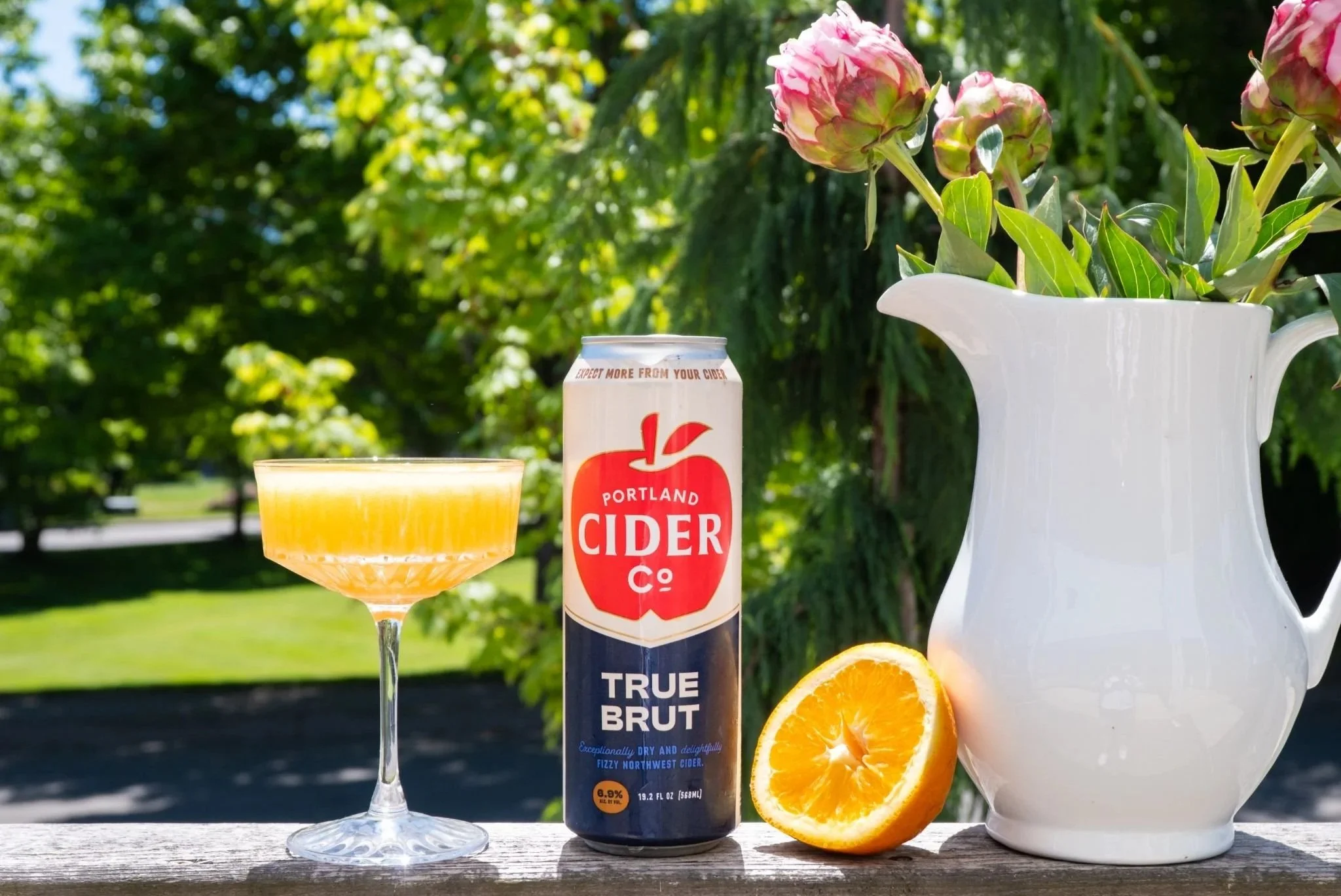
A well-made dry cider should feel lively in the mouth, with the kind of brightness that wakes up your palate before a meal. True Brut in particular leans champagne-adjacent, thanks to the champagne yeast and full carbonation, with subtle apple notes and a stone-fruit nose that opens up as the glass warms.
What dry cider isn't: bitter, harsh, or flavorless. People sometimes assume "dry" means "no flavor." It's actually the opposite. With the sugar pulled back, the apple's natural character has more room to come through, not less.
Does Dry Cider Have Less Sugar Than Sweet?
Yes. By definition, dry cider has less residual sugar than sweeter styles. The numbers from our own lineup tell the story:
True Brut: 0g sugar, 0g carbs, 135 calories per 12 oz.
Kinda Dry: 3g sugar, 3g carbs, 147 calories per 12 oz.
Original Gold: 11g sugar, 11g carbs, 133 calories per 12 oz.
A few useful things to notice. If you're watching sugar intake or carbs specifically, the move is dry: True Brut comes in at zero. But calories don't always track sugar in a perfectly straight line, because alcohol carries calories too. Original Gold has more sugar than Kinda Dry on paper, but a slightly lower ABV brings the total calories down. So if your goal is calories, check the full nutrition panel, not just the sugar line. If your goal is low sugar, dry is the clear winner.
Sweet vs Dry: Which Should You Try First?
If you're new to hard cider, the easiest way to choose is to think about what you usually drink.
If you tend toward dry wines or champagne, start with a brut or fully dry cider. True Brut will feel familiar fast: champagne yeast, full carbonation, zero sugar.

If you're more of a craft beer drinker, an off-dry cider is the sweet spot. Kinda Dry or its big brother, Imperial Dry, was specifically built to bridge that gap with its traditional English style and balanced finish.
If you just want fresh apple, go for a semi-sweet to medium-dry, apple-forward style. Original Gold tastes like biting into the fruit, and it's our most universally loved pour for first-time cider drinkers.
If you usually order cocktails, seltzers, or fruity drinks, a fruited cider is the obvious starting point. Imperial Blackberry Lime brings jammy Northwest blackberries and a lime kick, with enough acidity to keep it from drinking sweet or syrupy.
Food Pairing: When to Pour Sweet vs Dry
The dryness of a cider changes which foods it works with, the same way it does for wine.
Dry cider loves rich, fatty, savory food. Think roasted pork, bratwurst, fried chicken, aged cheddar, charcuterie, oysters, and anything with a crispy or buttery edge. The acidity of a dry cider cuts through the richness the same way a glass of brut champagne does at a steakhouse.
Sweeter and fruited cider shines with spicy, salty, and dessert-leaning food. Thai food, Korean BBQ, pizza, salty snacks, soft cheeses like brie, and most desserts will all play nicely. A fruited cider next to spicy food in particular, is a combination most people don't try until they do, and then they keep doing it.
If you're hosting and want one pour that flexes both ways, an off-dry cider like Kinda Dry is the safest crowd-pleaser. It has enough fruit to please the sweet camp and enough structure to satisfy the dry camp.
Build Your Own Dry-to-Sweet Flight
The fastest way to figure out where you land on the sweet-to-dry spectrum is to taste across it. Pick up these four side by side and you'll have one cider from every tier of the scale we just walked through:
True Brut for the brut/fully dry end.
Kinda Dry for the off-dry middle ground.
Original Gold for the medium-dry, fresh-apple zone.
Imperial Blackberry Lime for the fruited, sweeter end of the spectrum.
Use our Cider Finder to locate Portland Cider near you. And if you want fresh releases delivered straight to your door, The Core Society sends a curated quarterly shipment with early access to seasonal and small-batch ciders. It's free to join and ships to over 38 states across the US!
Either way, expect more from your next pour, sweet or dry.
Want to stay in the loop on new releases, seasonal ciders, and orchard stories? Sign up for our newsletter and we'll keep it worth your while.