Pumpkin Cider vs. Pumpkin Beer: What Makes a Real Pumpkin Spice Cider
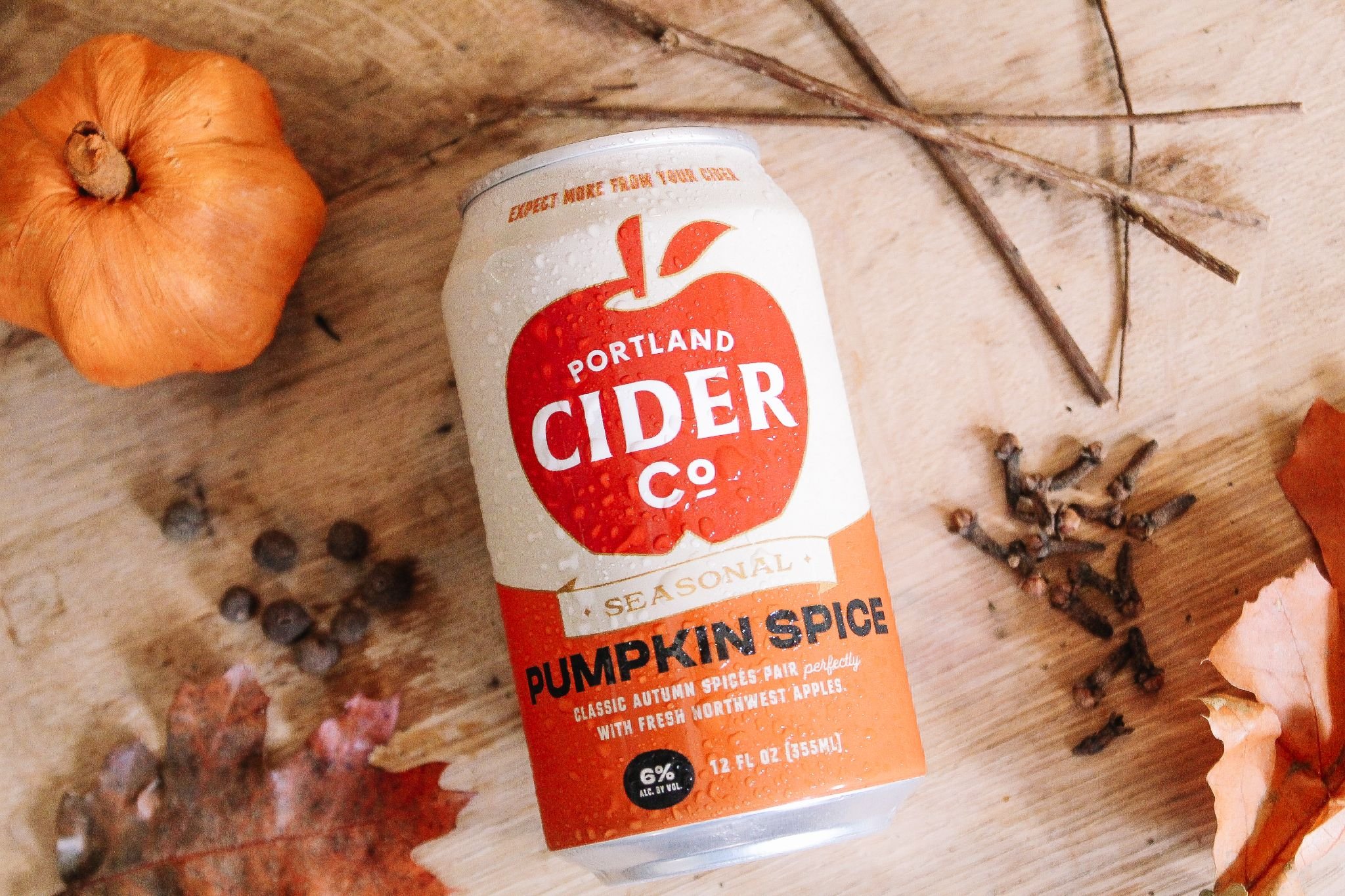
Somewhere around the third week of August, the cooler changes. The summer stuff slides over, the orange cans move in, and suddenly you're standing there deciding between a pumpkin ale and a pumpkin cider with no real sense of how different those two things actually are.
Here's the short version: they taste nothing alike, they're built from completely different ingredients, and only one of them is gluten-free. Whether either one contains actual pumpkin is a separate question entirely, and the answer is more interesting than you'd think.
So let's sort it out, from a cidery that's been making pumpkin spice cider since long before pumpkin spice season started in August.
What Is Pumpkin Cider?
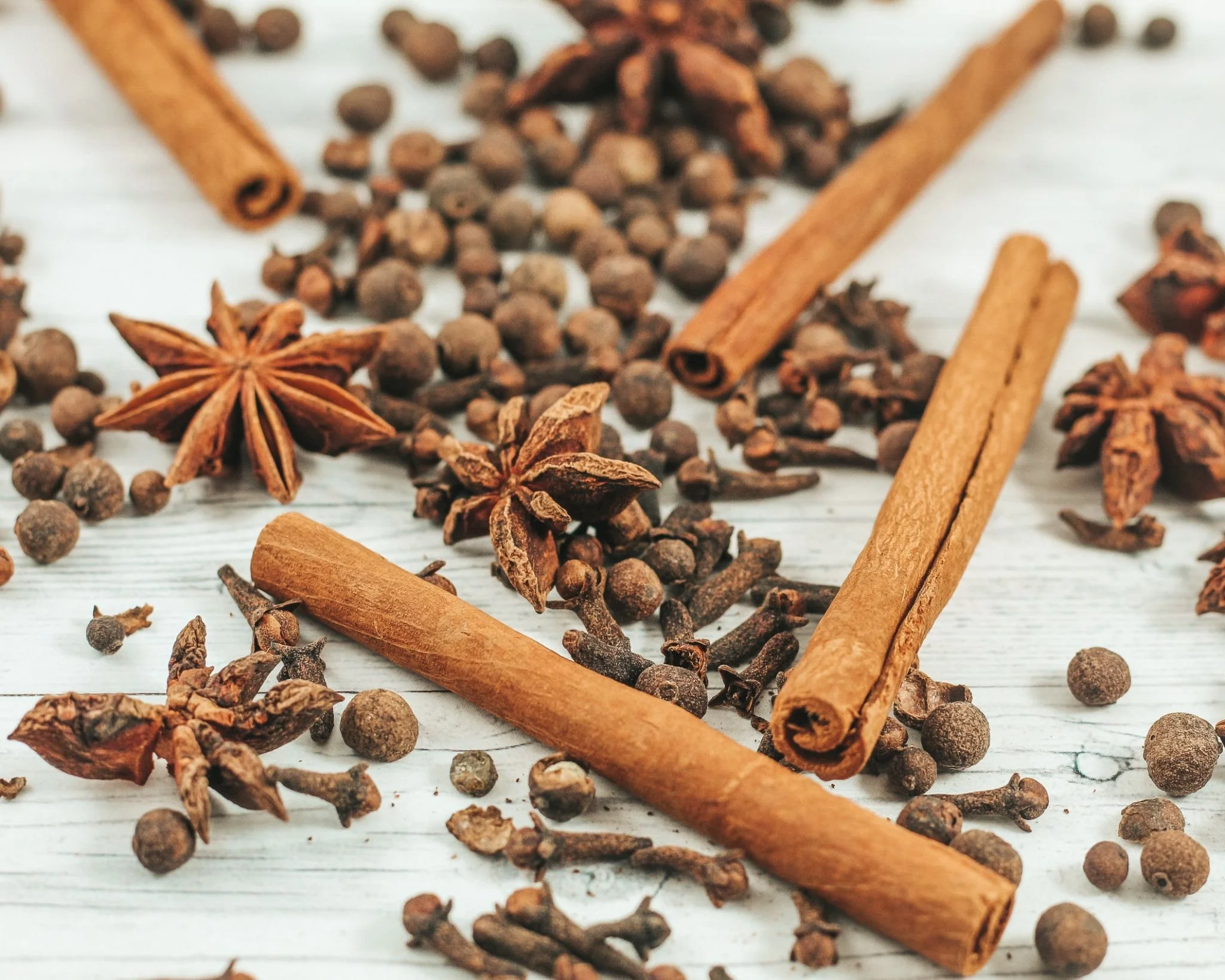
Pumpkin cider is hard apple cider made with the spice profile of pumpkin pie: cinnamon, nutmeg, clove, allspice, and ginger. The base is fermented apple juice, exactly like any other hard cider. The spices go in around fermentation to give it that warm, autumnal character.
That's the whole category, and it's worth saying plainly because the name misleads a lot of people. Pumpkin hard cider is not fermented pumpkin. It's apple cider wearing a fall sweater.
Some producers do add pumpkin puree or squash to the tank. Most lean on the spice blend, because that's the flavor people are actually reaching for. More on that in a second.
Is There Actually Pumpkin in Pumpkin Cider?
Usually not, and the same is true of most pumpkin beer.
Pumpkin is a famously mild ingredient. On its own it tastes like a faintly sweet, faintly vegetal squash, which is not what anyone means when they say they love pumpkin spice. What they love is the spice rack: the cinnamon and clove and ginger that go into a pie. Ask most people to describe pumpkin flavor and they'll describe the spices every time.
So the industry splits into two camps. Some brands add real pumpkin or squash and use spices to accentuate it. Others skip the gourd and build the flavor entirely out of the spice blend, which is the more honest version of what's happening in the glass.
Our Pumpkin Spice sits firmly in that second camp. It's 100% fresh-pressed Northwest apples with cinnamon, clove, nutmeg, ginger, and allspice, and no pumpkin at all. All the aroma of a pumpkin pie, none of the squash. We'd rather tell you that up front than let the label do the implying.
Pumpkin Cider vs. Pumpkin Beer: The Real Difference
Both arrive in late summer with orange packaging and pie spices. That's where the overlap ends.
The base ingredient: Cider starts with pressed apple juice. Beer starts with malted barley and water. That single difference drives everything else on this list.
Gluten: Pumpkin cider is naturally gluten-free because there's no grain anywhere in the recipe. Pumpkin ale is a beer, and beer has gluten. If you've been quietly skipping fall seasonals for years, this is the aisle you want.
How the spice reads: In a pumpkin ale, spices sit on top of roasted malt, so it comes across bready, caramelized, and dessert-like. In cider, those same spices sit on top of apple acidity, so they come across brighter and sharper, more like mulled cider than pie crust.
Body and finish: Pumpkin beers tend to be full and heavy, and the second one is usually a commitment. Cider is lighter on the palate and finishes cleaner, which is why it holds up better across a long afternoon or a full dinner.
Carbonation: Cider is closer to sparkling wine than to beer. That lift carries the spice aroma to your nose instead of letting it sit heavy in the glass.
Alcohol: Broadly similar, but the ranges are different. More on that below.
Neither one is the correct answer. But if you want fall spice without the weight of a malt bill, cider is doing a different job, and doing it well.
What Does Pumpkin Spice Cider Taste Like?
Apple first, spice second. That's the order a good one should arrive in.
You should get the pie spices on the nose before you taste anything: cinnamon and ginger up front, clove and nutmeg underneath. Then the apple shows up on the palate, and the acidity is what keeps the whole thing from turning into liquid dessert. The finish should be warm and spiced but still clean enough that you want another sip.
Our Pumpkin Spice is a semi-dry cider, which means there's enough fruit sweetness to feel cozy and enough dryness to keep it drinkable past the first can. If you want to know where that sits relative to everything else we make, we broke down the whole sweet-to-dry spectrum here.
What it shouldn't taste like: a candle. Spice is a seasoning, not the main event. If the cinnamon is the loudest thing in the glass and you can't find the apple underneath, the blend is out of balance.
How Much Alcohol Is in Pumpkin Cider?
Most pumpkin ciders land between 4% and 7% ABV, which puts them right alongside a standard beer. Imperial and barrel-aged versions can run higher, into the 8% range and occasionally beyond.
Ours is 6% ABV. That's slightly above a typical light beer and roughly in line with most craft pints, which is worth knowing if you're pacing yourself through a Thanksgiving afternoon.
One thing that surprises people: dryness and alcohol aren't the same thing. A drier cider has had more of its sugar converted to alcohol, so "dry" often means the same ABV or higher, not lower. Sweetness tells you about the sugar left behind, not about strength.
Is Pumpkin Cider Gluten-Free?
Yes, in almost every case, and definitely in ours.
Hard cider is fermented from apples rather than grain, so there's no gluten in the recipe to begin with. The exceptions to watch for are ciders that add malt or barley for a beer-cider hybrid style, ciders made on shared equipment inside a brewery, and anything aged in used beer or whiskey barrels.
None of those apply here. We don't brew beer, we don't use grain, and every cider we make is gluten-free. If you want the longer version, we wrote a whole guide on how to tell whether a cider is gluten-free.
How to Pick the Best Pumpkin Cider on the Shelf
Fall seasonals go up fast and vary wildly. A few things separate the good ones from the ones that taste like a gas station air freshener.
Check the juice. Look for fresh-pressed juice rather than concentrate. Concentrate-based ciders need more sugar and more spice to cover for the thin fruit underneath, and you can taste the difference immediately. Ours starts as 100% fresh-pressed Northwest apples, which is why the apple still shows up through the spice.
Look for acidity, not just sweetness. The best fall ciders stay bright. Acid is what makes a spiced cider refreshing instead of cloying, and it's the first thing missing from the syrupy ones.
Read the spice list. A named blend of real spices is a better sign than "natural flavors." You want a blend someone dialed in, not a flavor system someone bought.
Check the date code. Spice aroma fades faster than almost anything else in a can, and seasonals have a habit of lingering on shelves well past their season. A fresher can is a noticeably better can. Here's how long hard cider actually lasts if you want the full storage rundown.
Check the medals. Not a guarantee, but a useful shortcut. Our Pumpkin Spice has taken Double Gold in the Spiced category at Sip Northwest's Best of the Northwest Cider Awards, among other hardware over the years.
Three Ways to Drink It Besides Straight From the Can
Warm it gently. Spiced cider takes beautifully to low heat with an orange peel and a cinnamon stick. Keep it under a simmer so you don't cook off the alcohol or flatten it entirely.
Build a cocktail. Bourbon is the obvious partner, and it's a good one. Our Spice Is Right cocktail is bourbon, pumpkin spice syrup, bitters, and Pumpkin Spice cider over ice.
Cook with it. A spiced cider reduction is excellent on roasted vegetables. Our cumin candied yams use it with maple syrup, and it's become a standing request at more than a few Thanksgivings.
When Is Pumpkin Cider Season?
Late August through October, mostly. Fall seasonals hit shelves earlier every year, and once October ends, distribution shifts to winter releases.
Practically, that means the window to find a pumpkin hard cider is shorter than the window you'd assume from how loudly fall arrives. If it's already November and you're still looking, you're mostly hunting leftovers.
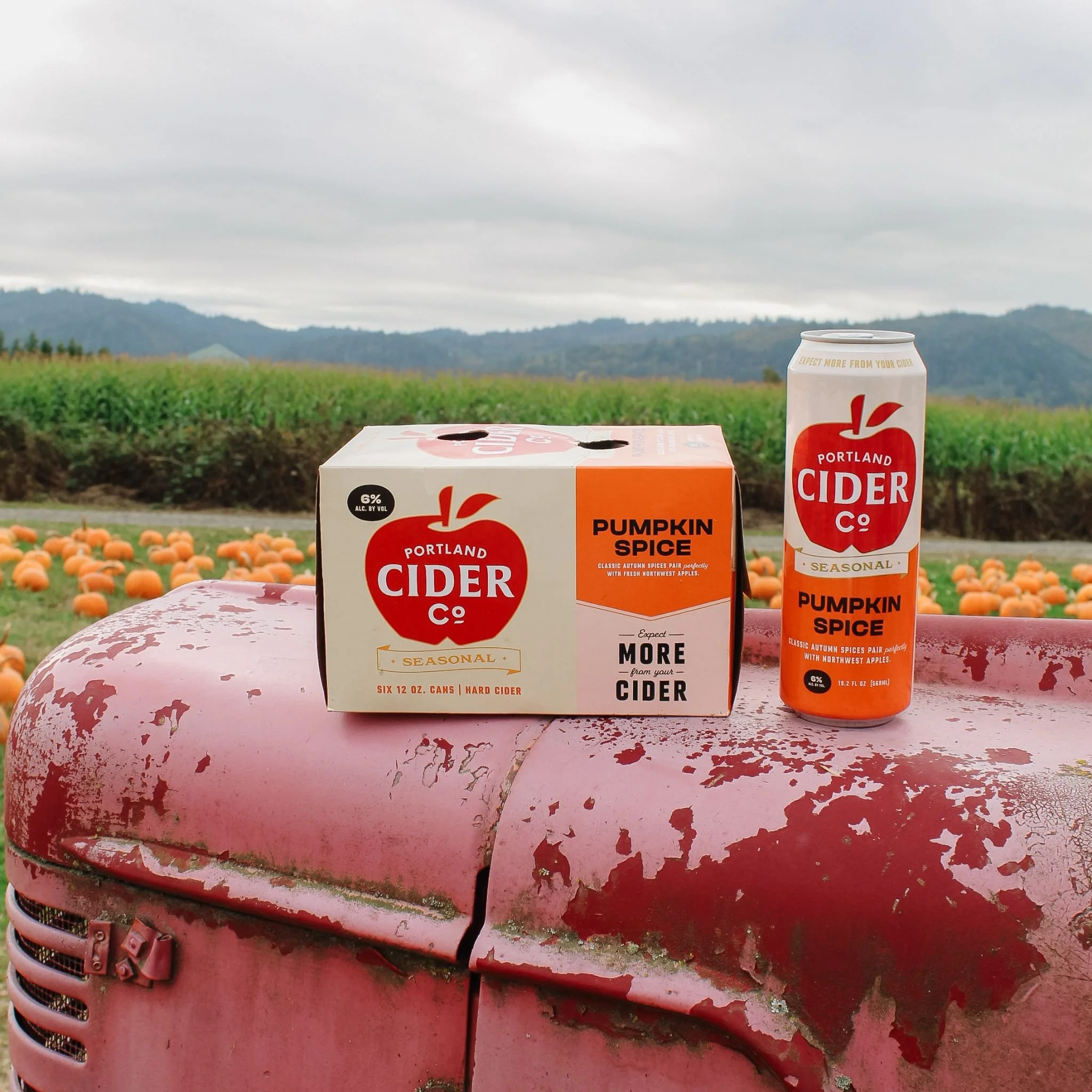
Our Pumpkin Spice runs through October in 12-ounce six-packs and 19.2-ounce Proper Pint cans, at retailers across Oregon, Washington, Northern Idaho, and Northern California.
Find Pumpkin Spice Near You
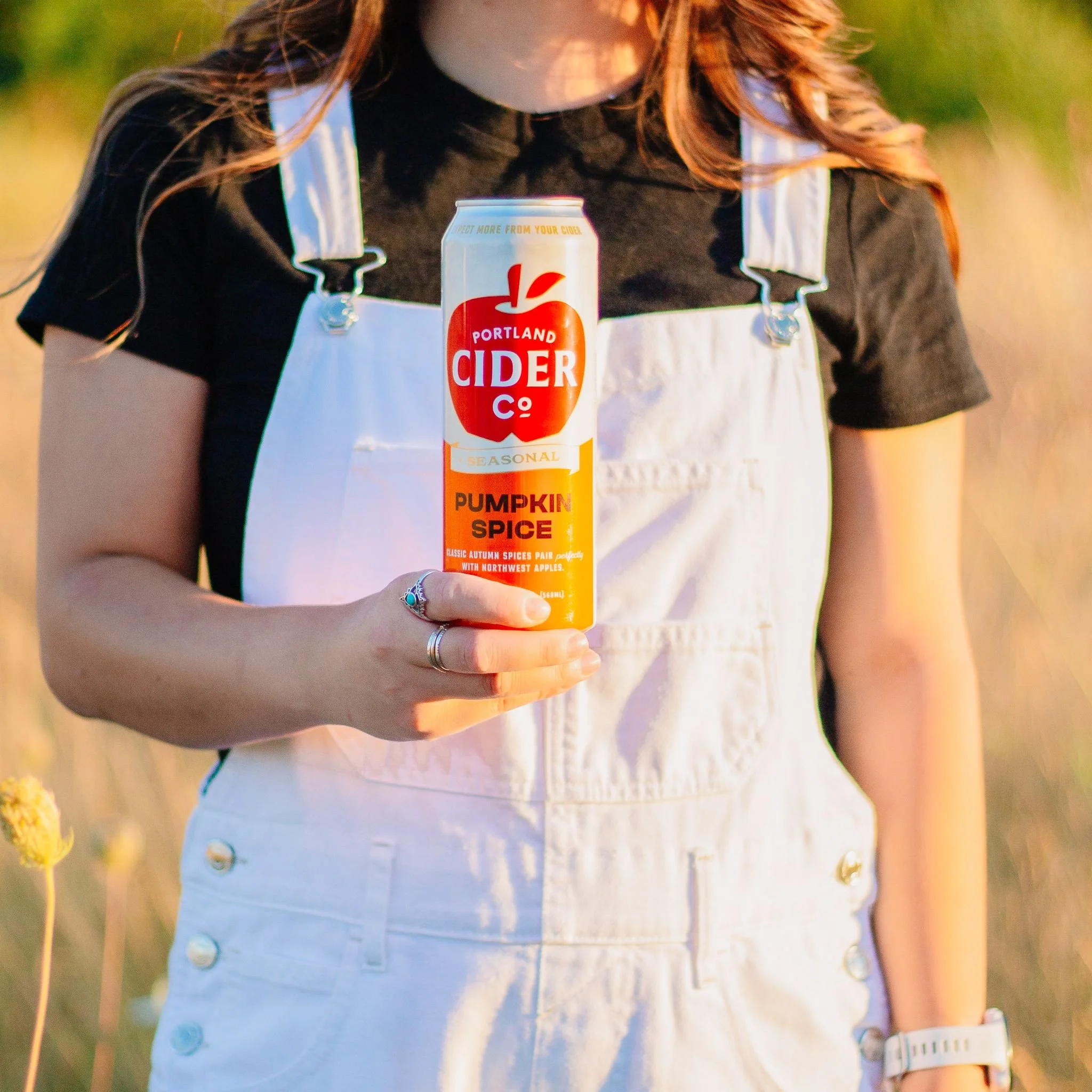
Fall seasonals don't wait around. If you want to taste a pumpkin cider that leads with apple instead of sugar, now's the window.
Use our Cider Finder to locate Portland Cider near you, or browse the full lineup if you want to see what else is in season.
And if you'd rather have fresh releases delivered straight to your door, The Core Society sends a curated quarterly shipment with early access to seasonal and small-batch ciders. It's free to join and ships to over 38 states across the US.
Either way, expect more from your pumpkin spice this year.
Want to stay in the loop on new releases, seasonal ciders, and orchard stories? Sign up for our newsletter and we'll keep it worth your while.