From Orchard to Glass: What Makes Apple Cider Different From Apple Juice?
Every November, the word "cider" starts working overtime. There's the cloudy jug in the produce section. The bottle of sparkling cider somebody brings to every holiday dinner. The steaming mug at the Christmas tree lot. And the can in our cooler, which is the only one of the bunch that comes with an ID check. Same word, very different drinks. If you've ever stood in a grocery aisle wondering whether apple cider is just apple juice with better marketing, you're in good company. Every fall, a whole lot of people ask the exact same thing. So here's the whole picture, from a cidery that's been pressing Pacific Northwest apples in Oregon since 2013.
The Short Answer
Apple juice is pressed apple juice that's been filtered clear and pasteurized so it keeps on a shelf.
Apple cider (in the U.S.) is pressed apple juice that hasn't been filtered. It's cloudy, tangier, more perishable, and non-alcoholic.
Hard cider is apple juice that's been fermented with yeast, which turns the apple's natural sugar into alcohol. That's the one we make.
All three start in the same place: a pile of fresh-pressed apples. What happens after the press is what makes them different drinks.
What Is Apple Cider?
In the U.S., apple cider is fresh-pressed apple juice that hasn't been filtered. Apples get washed, ground into a mash, and pressed, and what runs off the press goes into the jug, fine bits of apple included. That's why cider is cloudy, why it settles at the bottom of the jug, and why it tastes fuller and a little tangier than juice.
Here's the funny part: there's no federal rule that separates cider from juice. Some brands sell the exact same liquid under both names. The definition most people go by comes from the Massachusetts Department of Agricultural Resources, which treats cider as raw, unfiltered apple juice and apple juice as the filtered, pasteurized version built to last longer.
"Raw" deserves a footnote. Most cider in grocery stores today is pasteurized or UV-treated for safety. Since 1998, the FDA has required packaged juice and cider that hasn't been treated to kill harmful bacteria to carry a warning label. Truly raw cider still exists, mostly at orchards and farm stands, and it's the jug with the warning on it.
What Is Apple Juice?
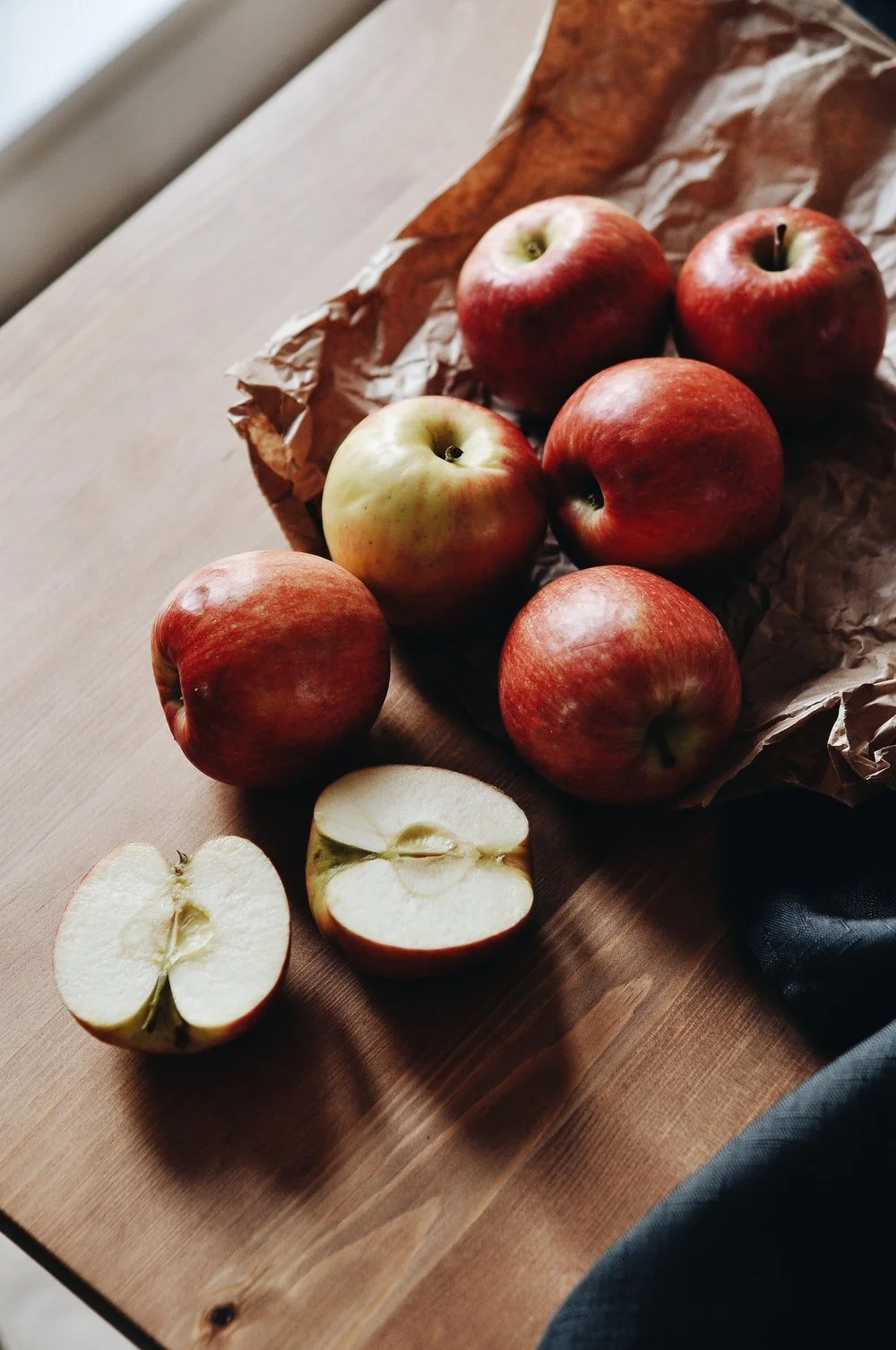
Apple juice starts at the same press, then keeps going. It's filtered until it runs clear (often with enzymes that break down the apple's natural pectin), pasteurized, and packed to be shelf-stable. A lot of it is made from concentrate, meaning juice that had its water removed for shipping and added back later. Some brands add vitamin C to keep the color bright.
The result is lighter, clearer, and simpler in flavor, and it sits happily in your pantry until you open it. That's why apple juice is a year-round product and cider mostly shows up in fall and winter.
Apple Cider vs. Apple Juice: The Real Differences
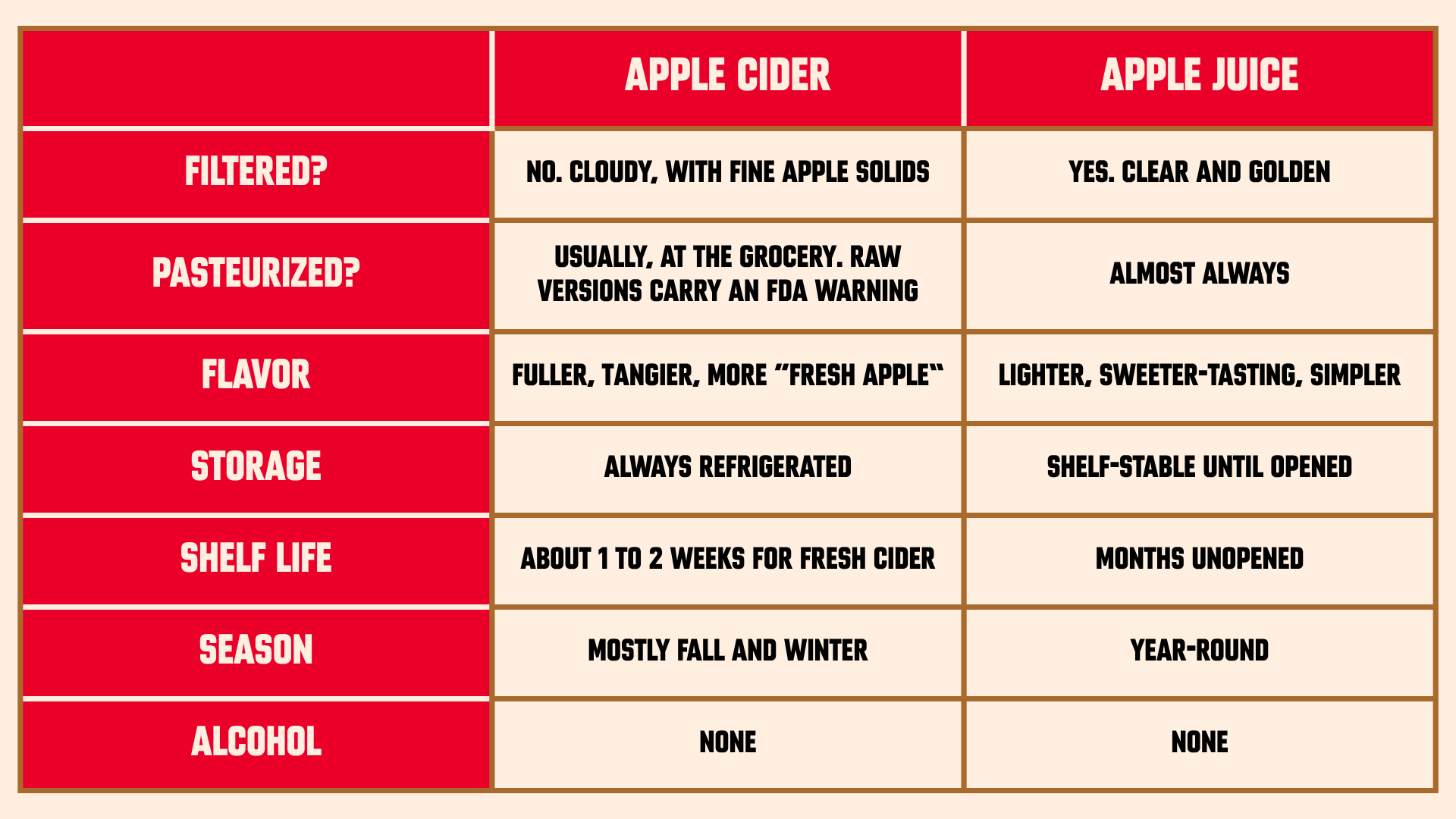
Side by side, the difference comes down to what happens after pressing.
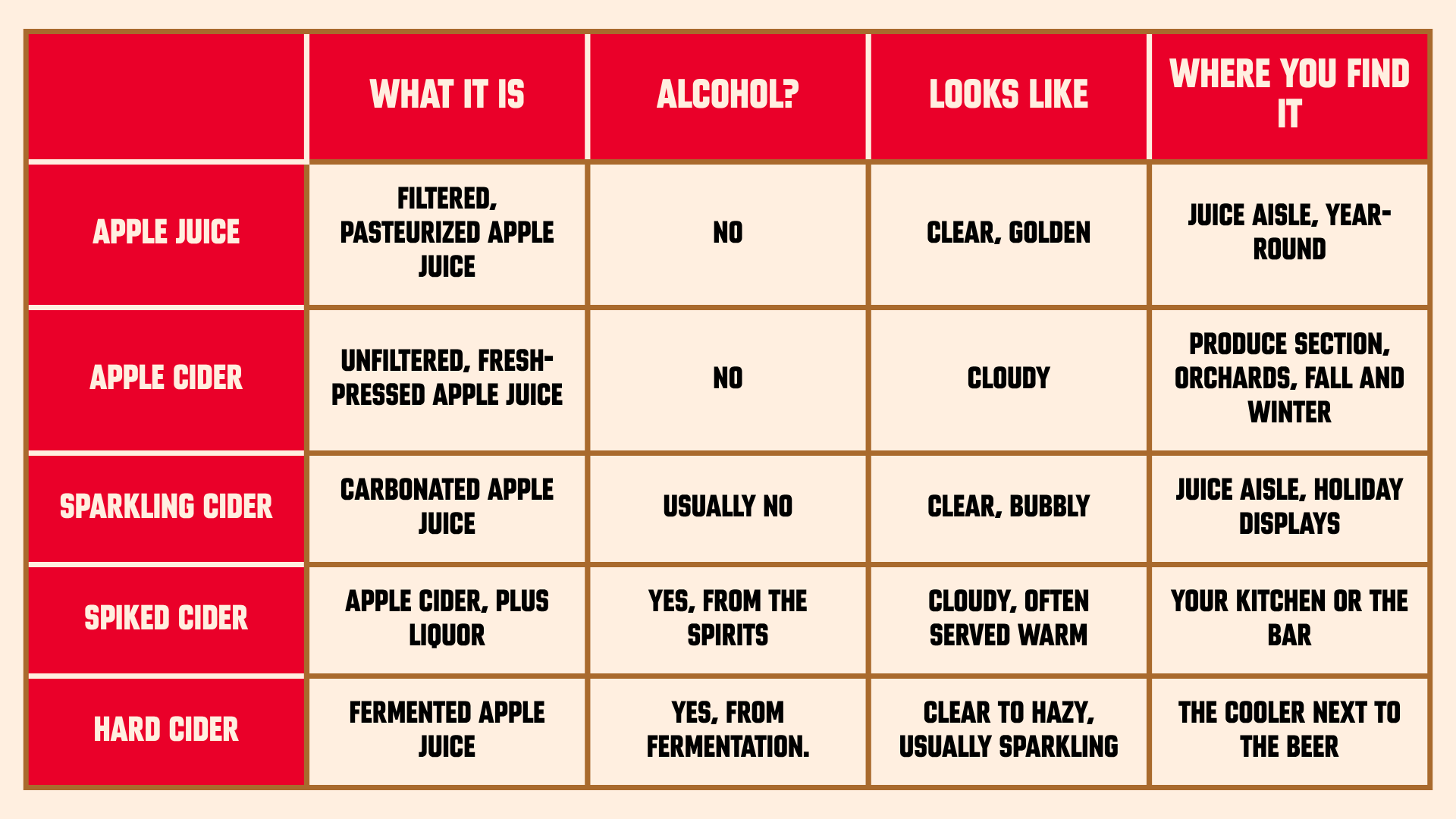
For the full storage breakdown, including how long cider lasts once it's open, we covered it in How Long Does Hard Cider Last? (the non-alcoholic cousin gets its own section).Notice the bottom row. Neither one has alcohol. Which brings us to the question we hear most this time of year.
Is Apple Cider Alcoholic?
No. Apple cider, the cloudy jug from the produce section, is non-alcoholic. So is apple juice. In the U.S., a cider with alcohol is labeled as hard cider or cider, carries the government health warning that every alcoholic drink has to print, and is sold next to the beer and wine with an ID check at the register.
One small asterisk. Fresh, unpasteurized cider can start fermenting on its own if it sits too long, thanks to wild yeast that rides in on the apples. It turns fizzy first, then faintly boozy, then sour. That's a jug past its prime, not a hard cider, and it's a good reason to keep fresh cider cold and finish it within a week or two.
What Is Hard Cider?
Hard cider is fermented apple juice. Yeast eats the natural sugars in the juice and converts them into alcohol and CO₂, the same basic process that turns grape juice into wine. That's why the Alcohol and Tobacco Tax and Trade Bureau regulates cider as a type of wine, even though it lives in the cooler next to the beer.
At Portland Cider, it works like this: Northwest apples are pressed into 100% fresh juice, fermented with white wine yeast into a bone-dry base cider, then finished with fresh fruit, fruit juice, or more apple juice to dial in each flavor. No concentrate, no artificial flavors. We walk through every step in From Orchard to Can.
juice, or more apple juice to dial in each flavor. No concentrate, no artificial flavors. We walk through every step in From Orchard to Can.
A few quick facts worth knowing:
It isn't one flavor. Hard cider runs from bone dry to fruited and sweet. Our Sweet vs. Dry Cider guide maps the whole scale.
It's usually beer strength. Most hard ciders land in the same range as a typical craft beer, with "imperial" ciders running stronger. For federal tax purposes, the hard cider category stops just under 8.5% ABV.
It's naturally gluten-free. No barley, wheat, or rye in the recipe. More on that in Is Hard Cider Gluten-Free?
Why Americans Say "Hard" Cider
Outside the U.S. and Canada, nobody needs the word "hard." Order a cider at a pub in England or a crêperie in France and you get the alcoholic kind, no questions asked. The cloudy, unfermented stuff is just apple juice.
America used to work the same way. Fermented cider was an everyday drink in the early days of the country. Then the temperance movement and Prohibition changed the orchards: growers shifted toward eating apples and sold their juice unfermented as "sweet cider." By the time real cider made its comeback, "cider" already meant the jug in the produce aisle, so Americans lean on "hard" to tell them apart.
We have a soft spot for the old meaning. Our co-founder Lynda Parrish grew up in Somerset, in England's West Country, where cider has always just meant cider. That's a story we tell in full in English Cider: How England Perfected Hard Cider.
Is Sparkling Cider Alcoholic?
Usually not. The sparkling cider that shows up at holiday dinners and kids' New Year's toasts is typically pasteurized apple juice with carbonation added. It's non-alcoholic, and a great pick for anyone skipping alcohol this season.
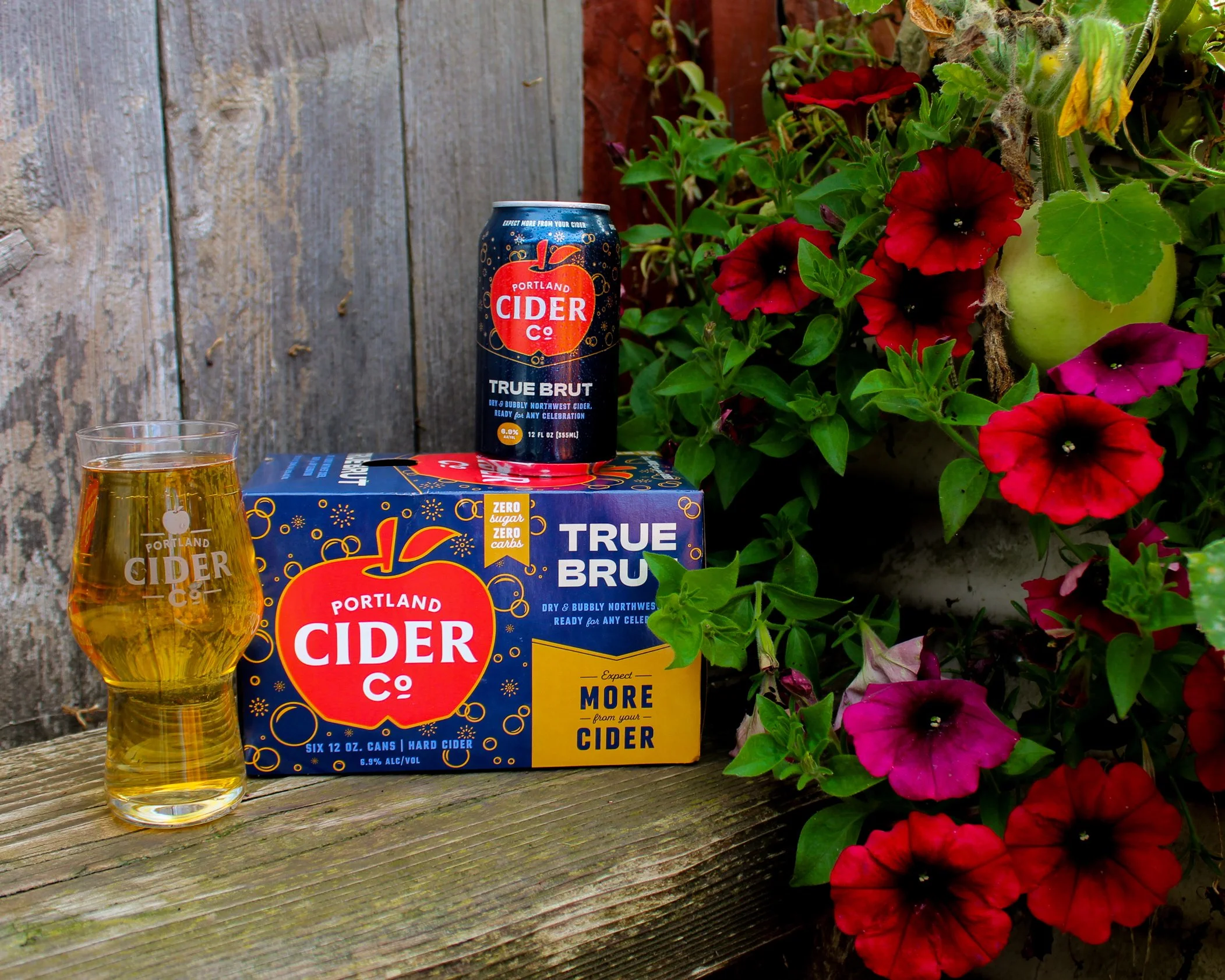
Sparkling hard cider is a different drink. If you want bubbles with actual alcohol, look for "hard cider" and the government health warning on the label, and find it in the cooler, not the juice aisle. Our True Brut is the closest thing we make to Champagne: fermented with champagne yeast all the way to zero sugar, with higher carbonation and a stone-fruit nose. It's built for a midnight toast.
What About Spiked Cider?
Spiked cider is non-alcoholic apple cider with a pour of liquor added, usually bourbon, rum, or brandy, and often served warm with cinnamon and orange. The alcohol comes from the bottle of spirits, not from fermentation.
Hard cider brings its own alcohol, because the apple sugar was fermented. Think of it this way: spiked cider is a cocktail, and hard cider is a drink in its own right. You can absolutely combine them, too. Our spiced rum and cider cocktail and these festive cider cocktails start with hard cider and go from there.
Can You Warm Up Hard Cider?
Yes, and it's one of the best things you can do on a cold Portland night. Warm, spiced hard cider is the modern cousin of wassail, the old English winter tradition we still love to celebrate (here's how we wassail). A few tips:
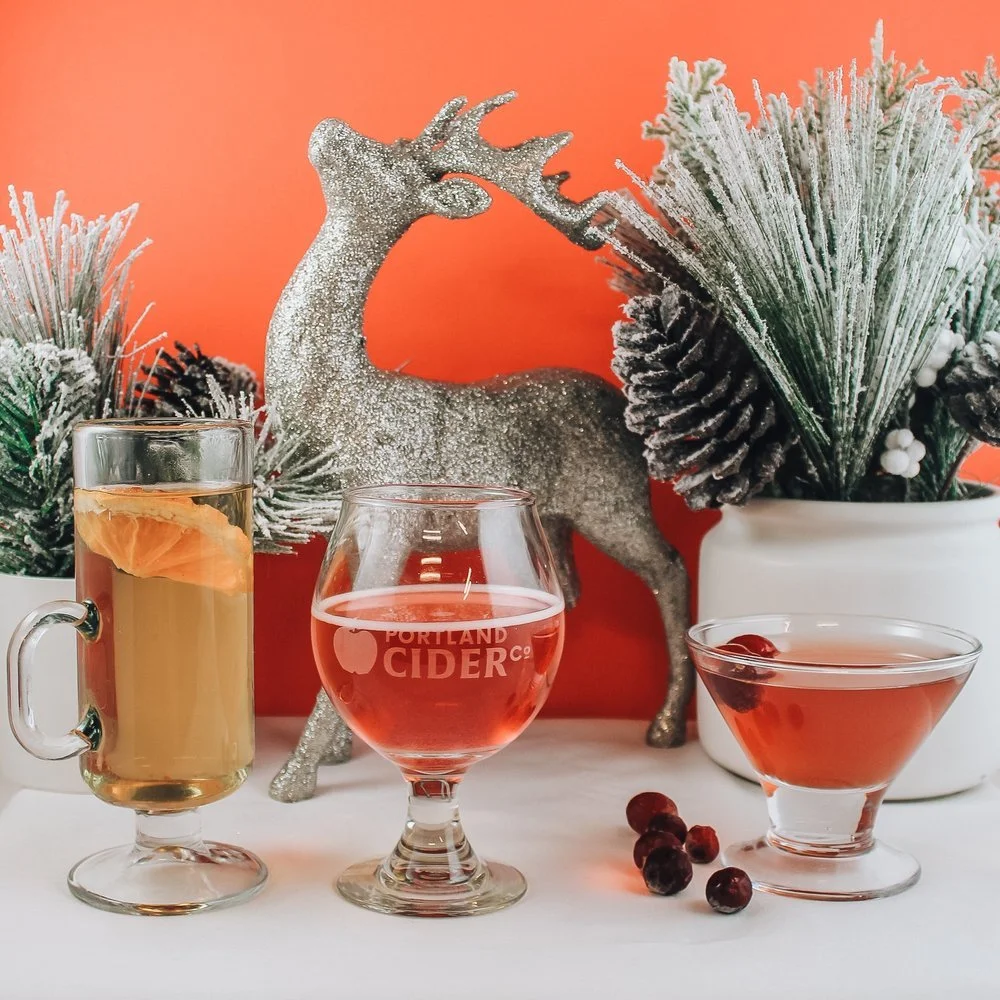
Keep it below a simmer. Ethanol boils around 173°F, well below water, so the hotter and longer it cooks, the more alcohol leaves the pot. Warm it on low until it steams, not bubbles.
Start drier. Heat and spice make cider taste sweeter. An off-dry cider like Kinda Dry gives you room to sweeten to taste with a little maple or honey at the end.
Keep the spices simple. A cinnamon stick, a few cloves, a star anise pod, and a strip of orange peel will do it.
Say goodbye to the bubbles. Carbonation doesn't survive the heat. That's expected, and the aroma more than makes up for it.
Apple Juice vs. Apple Cider vs. Hard Cider: Cheat Sheet
Here's the whole family side by side.
Apple Cider FAQ
Can I use apple juice instead of apple cider in recipes? Usually, yes. Cider brings more body and tang, while juice is sweeter and lighter, so a squeeze of lemon helps close the gap. For glazes and sauces, hard cider adds even more depth. It's the base of our cider-infused BBQ sauce.
Is "sweet cider" alcoholic? Not at the grocery store. "Sweet cider" is an old name for fresh, non-alcoholic apple cider. On a bar menu, though, a sweet cider usually means a hard cider with more residual sugar. Same words, different drinks.
Can kids drink apple cider? Pasteurized apple cider and non-alcoholic sparkling cider are both alcohol-free. If a jug carries the FDA warning for unpasteurized juice, that warning is aimed at young children, older adults, and anyone with a weakened immune system.
Will apple cider turn into hard cider if I leave it out? It'll start to ferment, but not into anything you'd want to pour. Wild fermentation in a warm kitchen is unpredictable and usually ends sour. Hard cider is made on purpose, with chosen yeast, clean tanks, and a cidermaker watching every step.
Does Portland Cider make non-alcoholic cider? No. We love a mug of non-alcoholic mulled cider at the holidays as much as anyone, but we only make hard cider.
What hard cider works best on a holiday table? Our seasonal Cranberry Mule brings ripe cranberry, lime, and fresh ginger, and it's made for roasted turkey, brie, and honey-baked ham. Pour True Brut for the toast, Kinda Dry for dinner (or the mulling pot), and Original Gold for anyone who wants their cider to taste like biting into a fresh apple.
Bring the Real Thing to the Holiday Table
Now you know which jug is which. If the one you're after is the kind made from fermented Northwest apples, we can help with that.
Use our Cider Finder to locate Portland Cider near you, or browse the full lineup to see what's in season. And if you'd rather have fresh releases delivered straight to your door, The Core Society sends a curated quarterly shipment with early access to seasonal and small-batch ciders. It's free to join and ships to over 38 states across the US!
Either way, expect more from your cider this season.
Want to stay in the loop on new releases, seasonal ciders, and orchard stories? Sign up for our newsletter and we'll keep it worth your while.